
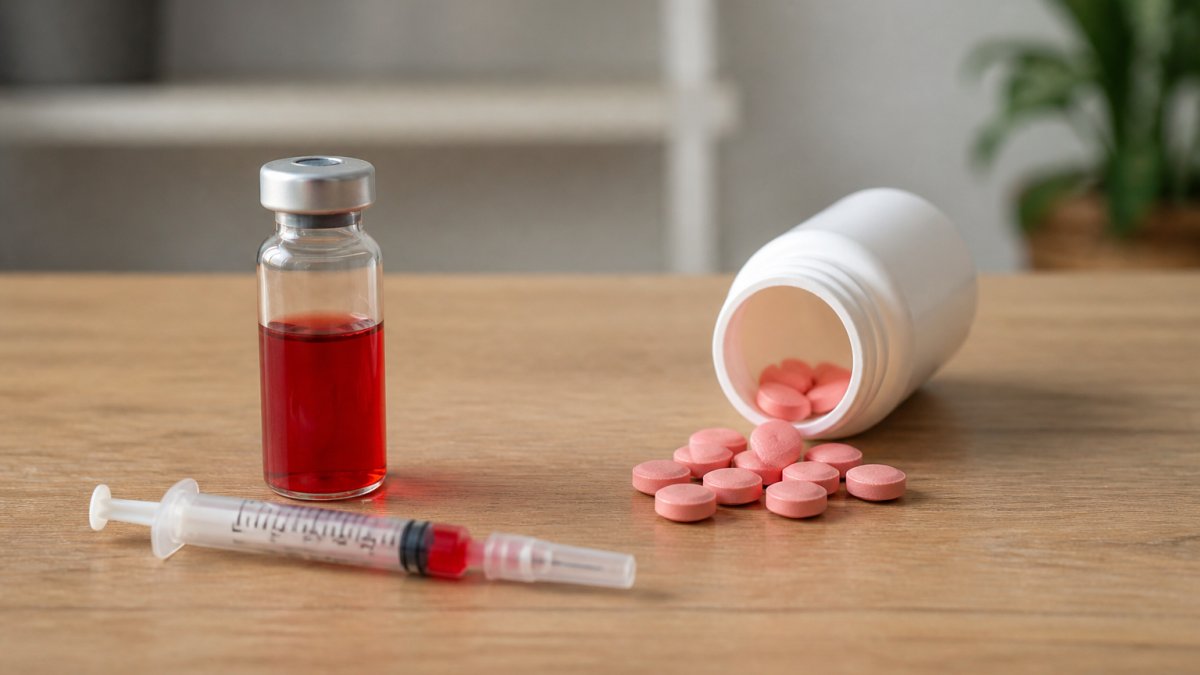
 comparison
B12 Shots vs Oral Supplements: Absorption Comparison
Table of Contents
- How B12 Absorption Works: The Role of Gastric Intrinsic Factor
- B12 Shots vs Oral Supplements: Head-to-Head Comparison
- Causes of B12 Malabsorption and When Injections Are Necessary
- B12 Injection Dosage Frequency and Maintenance Protocols
- How to Administer B12 Injections Safely at Home
- Choosing Between B12 Shots and Oral Supplements
- Frequently Asked Questions
Last Updated: September 30, 2026
How B12 Absorption Works: The Role of Gastric Intrinsic Factor
Vitamin B12 absorption is far more complex than simply swallowing a pill or receiving an injection. The process depends on a critical protein called gastric intrinsic factor, which your stomach produces to bind with B12 and allow your gastrointestinal tract to absorb it. Without adequate intrinsic factor, even high-dose oral supplements pass through your system unused. This is why understanding the mechanism behind B12 absorption comparison matters when choosing between injections and oral forms.
Your stomach lining produces intrinsic factor in cells called parietal cells. When B12 enters your stomach, it binds to this protein, and together they travel through your digestive tract until they reach your ileum (the final section of your small intestine), where absorption actually occurs. This multi-step process means oral B12 relies entirely on your digestive system functioning properly. If your stomach doesn't produce enough intrinsic factor, your body cannot absorb oral B12 effectively, no matter how much you take.
This is where injections bypass the entire problem. B12 shots deliver cobalamin directly into your bloodstream or muscle tissue, skipping the gastrointestinal tract entirely. The injection method achieves nearly complete bioavailability because it avoids the absorption bottleneck altogether. For people with compromised digestive function, this difference isn't academic, it's the difference between treating a deficiency and watching symptoms persist.
B12 Shots vs Oral Supplements: Head-to-Head Comparison
When comparing B12 shots versus oral supplements for absorption, the data tells a clear story: injections deliver superior results for most deficiency cases, but oral supplements work fine for prevention and maintenance in people with healthy digestion. The choice depends on your specific situation, not on which option is universally "better."
Bioavailability and Absorption Rates
B12 shots achieve near-complete bioavailability because they bypass gastric intrinsic factor entirely. Intramuscular injections deliver cobalamin directly into muscle tissue, where it's absorbed into the bloodstream. This method provides consistent, reliable absorption regardless of your digestive health.
Oral B12 supplements face a harder path. Standard tablets must survive stomach acid, bind to intrinsic factor, and reach your ileum for absorption. The result: only 1-30% of an oral dose actually gets absorbed, depending on your digestive function. Sublingual options bypass some digestive barriers by absorbing through mouth tissues, improving absorption rates compared to standard tablets, but they still don't match injection efficiency.
For people with healthy digestion and adequate intrinsic factor production, the difference matters less. But for anyone with pernicious anemia, atrophic gastritis, or age-related decline in stomach acid production, oral supplements become nearly useless while injections remain effective.
Speed of Results
Intramuscular injections work fast. B12 enters your bloodstream directly, and many people report feeling more energy within days. The serum cobalamin levels rise dramatically with each injection, and neurological symptoms often improve within weeks.
Oral supplements take longer to show results, even when absorption is adequate. Your body stores B12 in the liver, so building up depleted stores through oral supplementation requires consistent daily dosing over weeks or months. For acute deficiency with neurological symptoms, this delay can matter.
The practical reality: if you need results quickly or have severe deficiency symptoms, injections win. If you're maintaining adequate levels or preventing deficiency, oral supplements work fine with patience.
Cost and Long-Term Expense
Pricing varies based on where you source supplies and how frequently you need treatment. For people managing B12 deficiency long-term, the cost comparison depends on your absorption capability and treatment frequency.
Buy-Otc.com offers discounted B12 injectable kits with competitive pricing on supplies and needles, making home administration more affordable than repeated clinic visits. For those who can self-inject or have someone administer injections at home, this option significantly reduces per-dose costs compared to professional injection services.
Oral supplements cost less upfront than injectable supplies. However, if your body can't absorb them effectively, the lowest price becomes irrelevant. You're paying for something your body can't use.
| Method | Absorption Rate | Speed to Results | Best For |
|---|---|---|---|
| B12 Injections | 90-100% | Days to weeks | Severe deficiency, malabsorption |
| Sublingual Liquid | 30-60% | 2-4 weeks | Pill-averse patients, mild deficiency |
| Oral Tablets | 1-30% | 4-8 weeks | Healthy digestion, prevention |
Causes of B12 Malabsorption and When Injections Are Necessary
B12 malabsorption syndromes are more common than many people realize, especially in older adults. Understanding what causes absorption problems helps determine whether you need injections or whether oral supplements might work for you.
Pernicious anemia is the most common cause of B12 malabsorption. This autoimmune condition destroys parietal cells in your stomach, preventing intrinsic factor production. Without intrinsic factor, your body cannot absorb oral B12 at all. People with pernicious anemia must use injections or sublingual supplements indefinitely.
Atrophic gastritis, inflammation and thinning of the stomach lining, reduces intrinsic factor production and stomach acid. This condition develops gradually with age and is especially common in people over 60. It also occurs in people with H. pylori infection history or autoimmune gastritis. The result is impaired B12 absorption even if your digestive system otherwise functions normally.
Gastrointestinal surgery creates mechanical absorption problems. Ileal resection (removal of the part of the small intestine where B12 is absorbed), gastric bypass surgery, or other GI procedures physically remove the tissue needed for B12 absorption. These patients require lifelong B12 injections or high-dose sublingual supplements.
Certain medications interfere with B12 absorption. Metformin, commonly used for diabetes, reduces B12 absorption in the ileum. Proton pump inhibitors (PPIs), used for acid reflux, decrease stomach acid needed to release B12 from food proteins. People taking these medications long-term often develop B12 deficiency despite adequate dietary intake.
Crohn's disease, celiac disease, and other inflammatory bowel conditions damage the intestinal lining and impair nutrient absorption. The inflammation prevents B12 from being absorbed efficiently, even when intrinsic factor is present.
Vegans and vegetarians who don't supplement face B12 deficiency risk because B12 occurs naturally only in animal products. While this isn't malabsorption, it's deficiency from inadequate intake. Oral supplements work fine for prevention if absorption is healthy.
If you have any of these conditions, oral supplements alone won't correct deficiency. Injections become medically necessary, not optional.
B12 Injection Dosage Frequency and Maintenance Protocols
B12 injection dosage frequency depends on your deficiency severity, the reason for deficiency, and how quickly your body depletes its stores. There's no universal schedule, your healthcare provider should tailor frequency to your specific needs.
For severe deficiency with neurological symptoms, initial treatment typically involves weekly injections for 4-8 weeks.
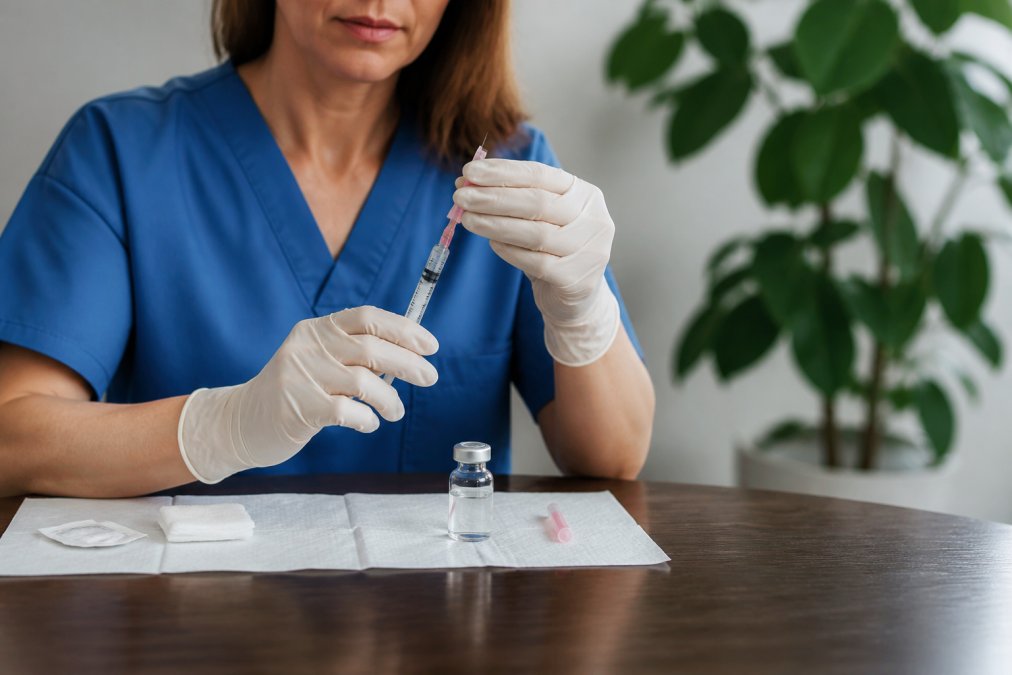
How to Administer B12 Injections Safely at Home
Choosing Between B12 Shots and Oral Supplements
The decision between B12 shots and oral supplements depends on three factors: your absorption capability, your deficiency severity, and your lifestyle preferences.
Choose B12 injections if:
- You have diagnosed pernicious anemia or another malabsorption condition
- You've had gastrointestinal surgery affecting B12 absorption
- Your serum cobalamin levels remain low despite high-dose oral supplementation
- You have neurological symptoms requiring rapid correction
- You take medications that interfere with B12 absorption long-term
- You need reliable, consistent treatment without depending on daily compliance
Choose oral supplements if:
- Your digestive system functions normally with adequate intrinsic factor
- You're preventing deficiency rather than treating severe deficiency
- You prefer oral administration and can commit to daily dosing
- Your deficiency is mild and developing slowly
- You're vegan or vegetarian with adequate absorption capacity
Frequently Asked Questions
What is the best form of B12 to take for absorption?
The best form depends on your absorption capacity. If you have intact gastrointestinal function and normal intrinsic factor production, oral supplements (tablets, sublingual, or liquid forms) work well. If you have malabsorption issues, pernicious anemia, or atrophic gastritis, B12 injections deliver nearly 100% bioavailability by bypassing the digestive tract entirely. Methylcobalamin and cyanocobalamin are both effective forms.
Is sublingual B12 as effective as shots?
Sublingual B12 is more effective than standard oral tablets because it absorbs through the mucous membranes, bypassing some digestive requirements. However, it still does not achieve the near-complete absorption (90-98%) that intramuscular injections provide. Sublingual works best for maintenance when malabsorption is mild, but injections remain superior for severe deficiency or conditions that prevent normal gastrointestinal absorption.
Why might a doctor recommend B12 injections over oral supplements?
Doctors recommend injections when patients have conditions affecting B12 absorption: pernicious anemia (autoimmune attack on intrinsic factor), ileal resection, Crohn's disease, celiac disease, or atrophic gastritis. Injections also work better for patients with strict vegan diets who need rapid repletion, those experiencing neurological symptoms from deficiency, or individuals with poor medication compliance. Intramuscular delivery guarantees absorption regardless of gastrointestinal health.
How quickly do B12 shots work compared to oral supplements?
B12 injections raise serum cobalamin levels within hours, with energy and neurological improvements often noticed within days to weeks. Oral supplements work more slowly because absorption depends on stomach acid, intrinsic factor, and ileal receptor availability, typically taking weeks to months to restore serum concentration. For acute deficiency with neurological symptoms, injections provide faster therapeutic intervention and hematological response.
What are the causes of B12 malabsorption that make injections necessary?
Common causes include pernicious anemia (loss of intrinsic factor due to autoimmune attack), atrophic gastritis, ileal resection or Crohn's disease affecting the terminal ileum, celiac disease, and certain medications (metformin, proton pump inhibitors) that reduce stomach acid. Vegans and vegetarians without dietary sources may require supplementation, though they typically absorb oral B12 normally if no gastrointestinal disease is present.