
 how-to
Common Mistakes When Self-Administering Injections
Table of Contents
- Why Technique Matters More Than You Think
- Mistake 1: Skipping Hand Hygiene and Surface Prep
- Mistake 2: Reusing Needles and Syringes
- Mistake 3: Forgetting to Rotate Injection Sites
- Mistake 4: Injecting Through Pain Instead of Preventing It
- Mistake 5: Ignoring the Warning Signs of Infection
- Mistake 6: Improper Needle Disposal and Storage
- Mistake 7: Not Knowing What to Do When Something Goes Wrong
- Frequently Asked Questions
Last Updated: September 29, 2026
Why Technique Matters More Than You Think
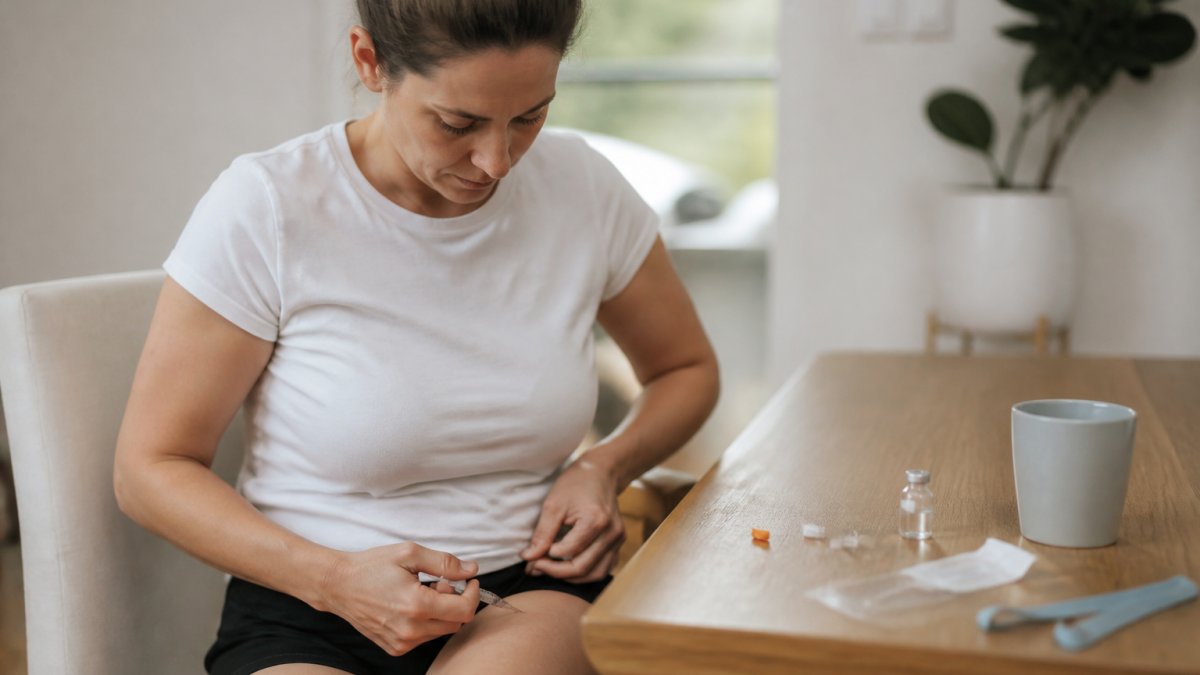
Getting the needle angle wrong, skipping a rotation, or forgetting to prime the pen are among the most common mistakes when self-administering injections. Each one can turn a simple routine into a painful, ineffective, or even dangerous experience.
Mistake 1: Skipping Hand Hygiene and Surface Prep
Clean hands and a clean surface are the foundation of every safe injection. Skip them, and you push bacteria straight through your skin.
The fix takes under a minute:
- Wash hands with soap and warm water for 20 seconds
- Dry with a clean paper towel
- Wipe your prep surface with an alcohol wipe
- Let the surface air dry completely
The 20-Second Rule and What to Clean
Twenty seconds is longer than it sounds. Hum the "Happy Birthday" song twice, and you are there.
Why Alcohol Swabs Alone Are Not Enough
An alcohol swab cleans your skin, not your hands. It also does not clean the counter where you set your supplies down.
Mistake 2: Reusing Needles and Syringes
Reusing a needle is the mistake with the worst consequences. It is never worth it, not even "just this once."
What Happens to a Needle After One Use
A needle looks fine after one use. Under a microscope, it does not.
The Real Cost of a Dull Needle
A dull needle hurts more going in. It also causes more tissue trauma and bruising at the site.
Mistake 3: Forgetting to Rotate Injection Sites
Rotating injection sites means moving each injection to a different spot on your body. It is one of the simplest habits you can build, and one of the most skipped.
Why Reusing the Same Spot Backfires
When you inject into the same square inch of tissue over and over, the fat layer underneath responds by building up fibrous scar tissue. Clinicians call this lipohypertrophy. You can often feel it as a firm, rubbery lump under the skin.
A Rotation Map That Actually Works
Sticking to one spot causes scar tissue to build up. Scar tissue blocks medication absorption and makes future injections harder.
- Week 1: right abdomen, upper area
- Week 2: left abdomen, upper area
- Week 3: right thigh, outer side
- Week 4: left thigh, outer side
- Repeat, shifting at least one inch from the last spot
The Two-Inch Rule and the Palm-Width Rule
Two simple rules keep rotation honest:
- Two-inch spacing. Keep each new injection at least two finger-widths (roughly two inches on an adult) from the last one. One inch is the minimum; two inches gives the tissue real recovery time.
- Palm-width zones. Divide each injection region into palm-sized zones and work through them in order. This prevents the drift that happens when you "sort of" rotate but keep landing near the same comfortable spot.
Sites You Should Not Use
Not every patch of skin is fair game. Skip:
- Any area that is bruised, scarred, tender, or lumpy
- Within two inches of the navel (for abdominal injections)
- Directly over a bone, joint, or major blood vessel
- Skin that is inflamed, tattooed, or has a mole or birthmark
- The same side you slept on if the tissue feels sore
Tracking Beats Memory
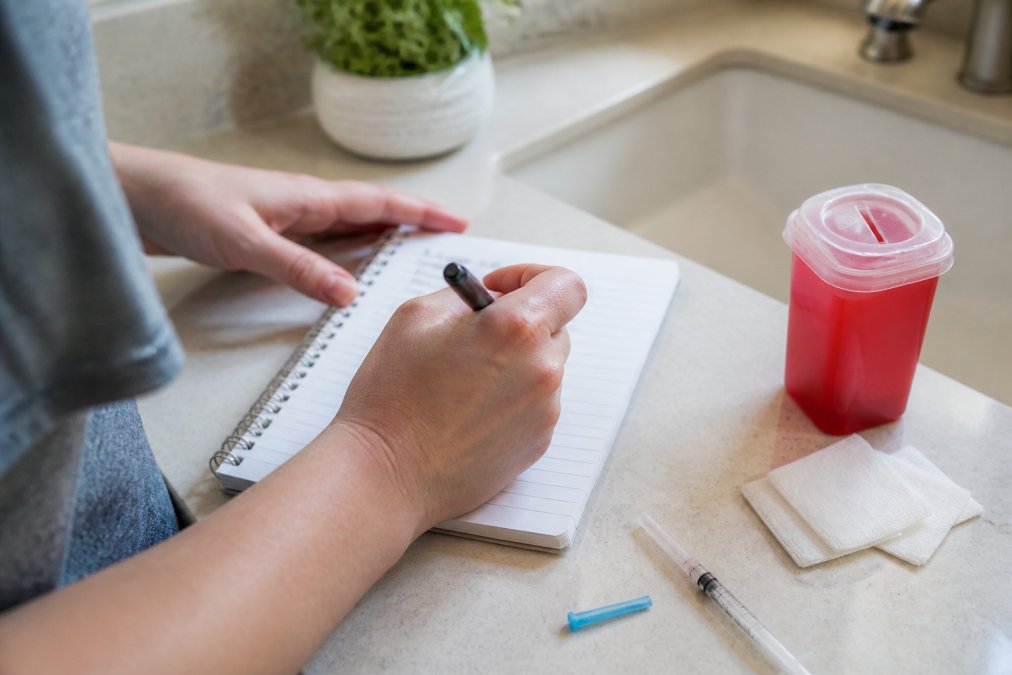
Most people who think they rotate actually do not. A paper log, a phone reminder, or a body-map app removes the guesswork. Log the date, the exact zone, and any lump or bruise you notice. Bring that log to your next appointment. Your clinician can spot a problem pattern before it becomes a dosing issue.
Mistake 4: Injecting Through Pain Instead of Preventing It
Most injection pain is preventable. Cold medication, a steady angle, and a slow push do most of the work.
Here is how to reduce pain during self-injection:
- Let the alcohol fully dry before injecting
- Use a fresh, sharp needle every time
- Relax the muscle at the site
- Insert with a quick, confident motion
- Push the plunger slowly and steadily
Temperature, Angle, and Speed
Cold medication hurts more. Roll a vial between your palms for a minute to warm it, but never shake it.
Mistake 5: Ignoring the Warning Signs of Infection
A little soreness after an injection is normal. It should ease within a day or two.
Signs of injection site infection are different. Watch for:
- Growing redness or warmth at the site
- Swelling that gets worse, not better
- Pus or drainage
- A hard, painful lump
- Fever or chills
When to Call a Doctor
Call your doctor if redness spreads, if you run a fever, or if the pain gets worse after 48 hours. These are not wait-and-see symptoms.
Mistake 6: Improper Needle Disposal and Storage
Used needles do not belong in the trash. Loose needles injure sanitation workers and family members.
What Counts as a Sharps Container
A proper sharps container is puncture-resistant, leak-proof, and has a tight lid. You can buy one or use an approved household container.
Follow these proper needle disposal guidelines:
- Drop needles in point-first, never recap them
- Fill only to the marked line
- Seal the lid when full
- Check your local rules for drop-off sites
Never flush needles. Never toss them in recycling.
Mistake 7: Not Knowing What to Do When Something Goes Wrong
Even perfect technique can hit a snag. Knowing the fix ahead of time keeps you calm. Most guides stop the moment the needle comes out. The two things they almost never cover are equipment failure mid-injection and what to watch for in the 24 to 48 hours afterward.
Hitting a Blood Vessel or Nerve
If you see blood when you pull the needle out, press a clean gauze pad on the site for two to three minutes without peeking. A small drop is common and not dangerous. A sharp, shooting, electric-shock sensation means you may have touched a nerve.
Equipment Failure Mid-Injection
A jammed plunger, a bent needle, a pen that will not click, or a cartridge that leaks at the seam all happen. Here is how to handle each:
- Bent needle. Do not straighten it and do not push it in. Withdraw, dispose of the needle in your sharps container, attach a fresh one, and start over at a new site.
- Jammed plunger. Do not force it. Forcing a plunger can deliver the dose too fast or crack the barrel. Withdraw, note how much medication was delivered, and call your pharmacist before redosing so you do not double up.
- Pen will not click or fire. Check the dose dial, confirm the cartridge is seated, and prime two units into the air. If it still will not fire, switch to a backup pen if you have one. If you do not, call the pharmacy that filled it. Do not try to disassemble the pen.
- Leaking at the injection site. A small bead of medication or blood on the skin is normal. A steady drip or a wet spot larger than a quarter means the needle may not have been fully seated. Do not redose on your own. Call your clinician or pharmacist with the amount you saw leak.
Post-Injection Monitoring: The 24-Hour Window
This is the step most guides skip. The injection is not over when the needle comes out. Set a mental (or phone) reminder to check the site at one hour, 24 hours, and 48 hours.
What to look for at each checkpoint:
- One hour: Mild soreness, a small bruise, or a tiny drop of blood is normal. New hives, itching spreading beyond the site, or swelling of the lips, tongue, or throat are not. Those are signs of an allergic reaction and need emergency care.
- 24 hours: A quarter-sized red spot that is fading is fine. Redness that is growing, warmth, or a hard painful lump is not.
- 48 hours: Soreness should be easing. If pain is worse than day one, or if you see pus, streaking redness, or feel feverish, call your doctor.
Site Leakage and What It Means for Your Dose
A small amount of clear fluid or a drop of blood at the site is common, especially with subcutaneous injections. A larger leak, or one that happens every time, can mean the needle was not deep enough, the angle was off, or you pulled out too quickly. Mention repeated leakage to your clinician.
When to Call 911 Versus Your Doctor
Call 911 for trouble breathing, swelling of the face or throat, a widespread rash, dizziness, or fainting. Call your doctor the same day for spreading redness, fever, a lump that is growing, or pain that is getting worse after 48 hours.
| Problem | Immediate Fix | When to Get Help |
|---|---|---|
| Blood at site | Press gauze for 2-3 minutes | Bleeding will not stop |
| Sharp shooting pain | Stop and withdraw | Pain lasts or numbness spreads |
| Bent or jammed needle | Swap for a new needle | Device keeps failing |
| Redness spreading | Photograph and monitor | Fever or pain worsens |
| Hives or throat swelling | Stop and call 911 | Immediately |
| Repeated site leakage | Note amount and time | At next appointment, or sooner if dose seems off |
Frequently Asked Questions
Should you pinch skin when injecting?
Pinching is correct for subcutaneous injections into fatty tissue, but not for intramuscular shots. For subcutaneous, lift a 2-3 cm fold of skin between thumb and forefinger, insert the needle at a 45-90 degree angle, then release the pinch before pushing the plunger. Pinching too hard can bruise tissue. For intramuscular, stretch the skin flat instead. Always follow the specific instructions that came with your medication, since technique varies by drug and needle length.
Is it possible to mess up a subcutaneous injection?
Yes, common errors include injecting into muscle instead of fat, reusing a dull needle, skipping site rotation, and not priming the needle to remove air bubbles. A missed subcutaneous injection usually means the medication absorbs faster or slower than intended. If you see blood, apply gentle pressure with a clean gauze pad for 30 seconds. Do not massage the area. If you are unsure whether the dose went in, contact your pharmacist before injecting again.
How do I choose the right needle size for self-injections?
Needle size depends on injection type and body composition. Subcutaneous injections typically use 25-31 gauge needles that are 4-8 mm long. Intramuscular injections need longer needles, often 22-25 gauge and 25-38 mm, to reach muscle tissue. A higher gauge number means a thinner needle. Your prescriber or pharmacist should specify the correct size. Using a needle that is too short may deposit medication in the wrong layer, while one that is too long risks hitting bone or nerve.
What should I do if I hit a blood vessel while injecting?
Stop injecting immediately if you see blood. Withdraw the needle, apply firm pressure with sterile gauze for 30 to 60 seconds, and check that bleeding has stopped. Do not massage the site. If you aspirated before injecting and saw blood in the syringe, discard that needle and prepare a fresh dose. Hitting a vessel can cause bruising, hematoma, or faster drug absorption. Contact your healthcare provider if you experience numbness, severe pain, or swelling that worsens.
Injections only work as well as the technique behind them. A clean site, a fresh needle, a rotated spot, and a calm hand cover most of the risk. Buy-Otc.com carries discounted B12 shots, B1 and B6 injectables, vitamin C shots, and needles, all backed by Geotrust SSL protection and 5-star customer service. Registered users also get access to special offers. Get started with Buy-Otc.com and make every injection a safe one.