 how-to
How to Avoid Vitamin B12 Deficiency Symptoms
Table of Contents
- What Vitamin B12 Deficiency Is and Why Prevention Matters
- Causes of Low B12 Levels You Need to Know
- Foods High in Vitamin B12 for Daily Prevention
- Vitamin B12 Injection Benefits and When to Consider Them
- Step-by-Step: Getting Tested and Monitoring Your Levels
- Absorption Issues Beyond Diet: What You're Missing
- Medication-Induced Deficiency and Prevention Strategies
- Spotting Subclinical Deficiency Before Symptoms Appear
Last Updated: August 30, 2026
What Vitamin B12 Deficiency Is and Why Prevention Matters
Vitamin B12 deficiency occurs when your body lacks sufficient cobalamin, an essential nutrient required for red blood cell formation, neurological function, and DNA synthesis. This condition develops gradually, often without obvious early warning signs, making prevention far more practical than dealing with advanced symptoms. At Buy-Otc.com, we recognize that understanding how to avoid vitamin B12 deficiency symptoms is critical for maintaining energy, cognitive function, and long-term health.
The challenge with B12 is that your body stores it in the liver for years, so deficiency doesn't announce itself loudly. By the time symptoms become obvious, fatigue, brain fog, nerve tingling, you may have been running low for months. The good news: prevention is straightforward once you understand the mechanisms behind deficiency.
B12 plays a non-negotiable role in metabolic function. It helps convert food into energy, supports myelin sheath integrity around nerves, and keeps homocysteine levels in check. When levels drop, these processes falter. Your energy crashes. Your thinking becomes sluggish. Nerve damage can develop silently, which is why catching deficiency early matters far more than treating it after symptoms take hold.
Causes of Low B12 Levels You Need to Know
Understanding what causes B12 deficiency is your first line of defense. Most people assume diet is the only culprit, but the reality is more complex. Several pathways lead to deficiency, and some have nothing to do with what you eat.
Dietary insufficiency remains the most common cause, particularly among vegans and vegetarians. B12 comes almost exclusively from animal-derived foods and fortified products. If you avoid meat, fish, dairy, and eggs without consuming fortified alternatives, your intake will be inadequate. This isn't a judgment, it's biochemistry. Plant foods don't naturally contain active B12.
Malabsorption issues are where many people get blindsided. Your gastrointestinal tract must absorb B12 through a specific mechanism involving the intrinsic factor, a protein produced in your stomach lining. If your stomach doesn't produce enough intrinsic factor, a condition called pernicious anemia, dietary B12 becomes irrelevant. You can eat salmon daily and still develop deficiency because your body cannot process it. Similarly, conditions like Crohn's disease, celiac disease, or surgical removal of parts of your digestive tract impair B12 absorption regardless of intake.
Age-related absorption decline affects many older adults. After age 50, stomach acid production decreases, making it harder to extract B12 from food (peer-reviewed research). This is why many people over 60 need supplementation even if their diet seems adequate.
Medication-induced deficiency is frequently overlooked. Metformin, commonly prescribed for diabetes, reduces B12 absorption. Proton pump inhibitors and H2 blockers, used for acid reflux, suppress stomach acid needed to release B12 from food. If you take these medications long-term, you're at genuine risk regardless of diet.
Foods High in Vitamin B12 for Daily Prevention
If your absorption is normal and you're not taking medications that interfere with B12, dietary sources can maintain adequate levels. The key is consistency, occasional consumption doesn't build reserves.
Animal-Based Sources
Animal-derived foods are the most bioavailable sources of B12. Your body absorbs it more readily from these sources compared to fortified alternatives.
Beef, particularly organ meats like liver, contains exceptional B12 concentrations. A three-ounce serving of beef liver provides substantial daily value. Salmon and other fatty fish deliver B12 alongside omega-3 fatty acids. Eggs, especially the yolk, contain B12, though in lower amounts than meat. Dairy products including milk, yogurt, and cheese provide consistent B12 when consumed regularly.
The advantage of animal sources is bioavailability, the form of B12 (cyanocobalamin and methylcobalamin) is readily recognized and absorbed by your body. If you eat these foods several times weekly, you're likely meeting your baseline needs.

Fortified Plant-Based Options
If you follow a vegan diet, fortified foods become your primary prevention strategy. Fortification means manufacturers have added B12 to foods that wouldn't naturally contain it.
Plant-based milk alternatives, soy milk, almond milk, oat milk, are commonly fortified. Check labels; not all brands fortify, and amounts vary. Nutritional yeast, when fortified, provides B12 in a form vegans can easily incorporate into meals. Some breakfast cereals are fortified with B12. Meat substitutes designed for vegetarians often include added B12.
The catch: fortified foods use cyanocobalamin, a form your body must convert to active methylcobalamin. This conversion step means absorption rates are slightly lower than from animal sources. This is why vegans often benefit from supplementation or injections rather than relying solely on fortified foods.
Vitamin B12 Injection Benefits and When to Consider Them
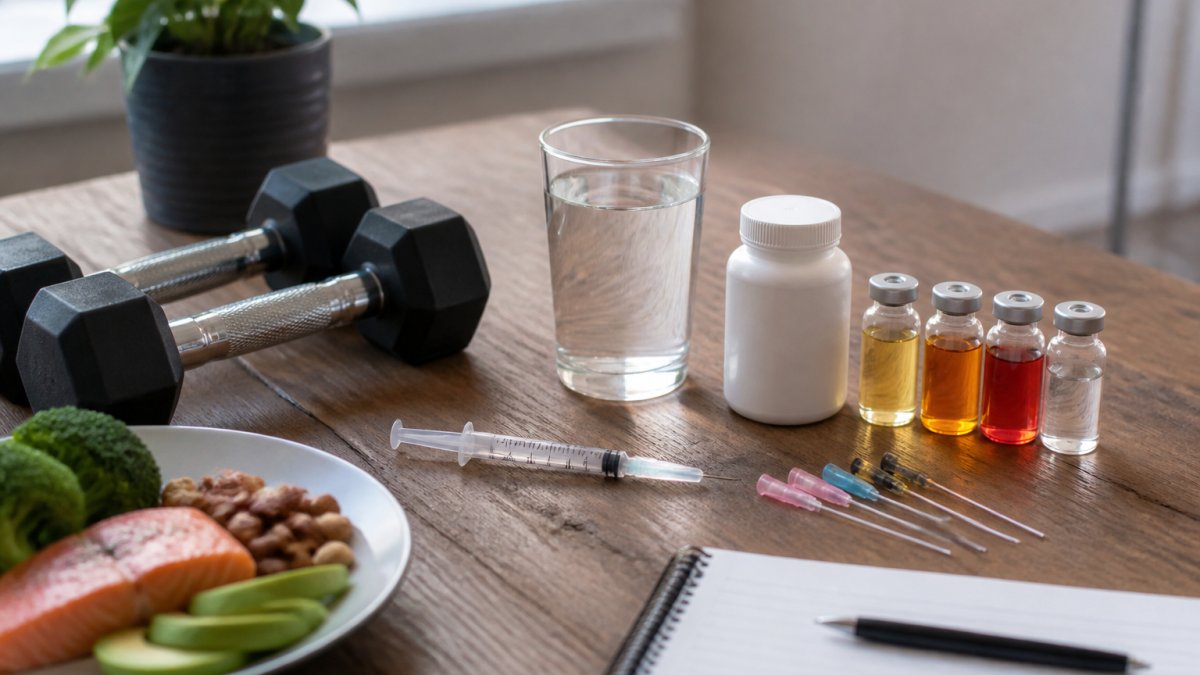
Injections bypass absorption entirely. Instead of depending on your digestive system to extract and process B12, injections deliver it directly into muscle tissue, where it's absorbed systemically. This makes injections the gold standard for people with malabsorption issues, pernicious anemia, or medication-induced deficiency.
The primary benefit of injections is reliability. You know exactly how much B12 you're receiving. There's no guesswork about whether your stomach acid is sufficient or whether your intrinsic factor is working. For people with diagnosed deficiency, injections restore levels faster than oral supplements.
Frequency depends on your situation. Some people need monthly injections indefinitely. Others, particularly those with temporary absorption issues, may need them every few months. The decision should be based on blood work, not guesswork.
Buy-Otc.com provides access to B12 injections and the needles required for administration. If you've been diagnosed with deficiency or have absorption issues, injections represent a practical, direct solution to maintain adequate levels consistently.
Step-by-Step: Getting Tested and Monitoring Your Levels
Knowing your actual B12 status removes guesswork from prevention. Testing is straightforward and should be part of your baseline health assessment, particularly if you're vegan, over 50, or taking medications that affect absorption.
Understanding Serum B12 and Homocysteine Tests
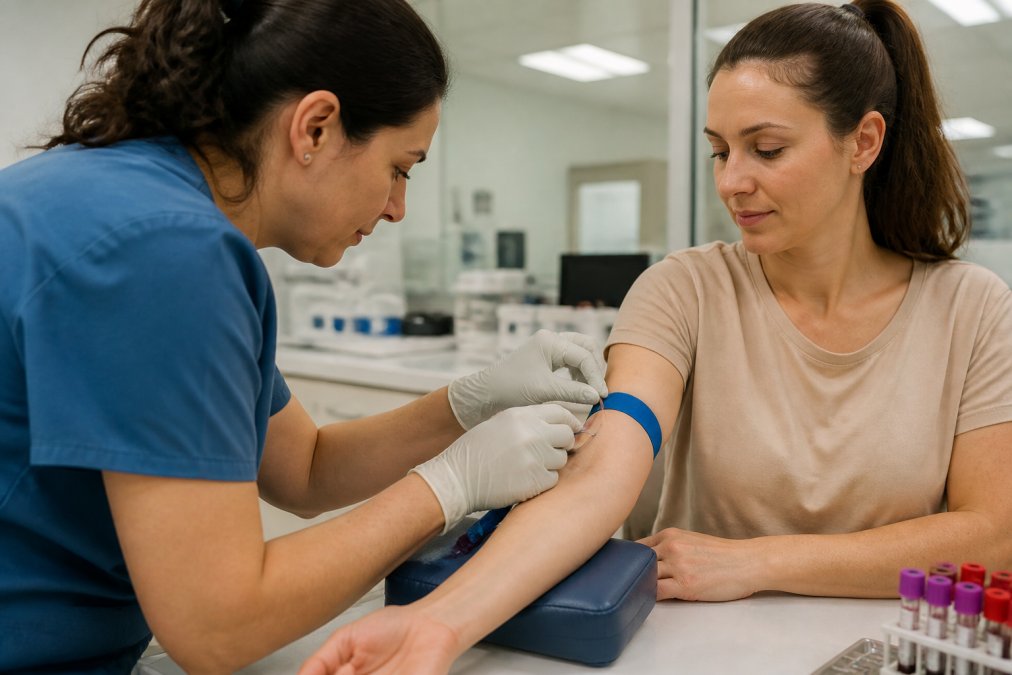
A serum B12 test measures the amount of B12 circulating in your blood. Normal range typically falls between 200-900 picograms per milliliter, though some practitioners consider anything below 400 as functionally low (the NIH). The advantage of serum testing is simplicity, a single blood draw provides your number.
The limitation: serum B12 can appear adequate even when your cells aren't getting enough. This is where homocysteine testing becomes valuable. Homocysteine is an amino acid that B12 helps metabolize. When B12 is genuinely deficient at the cellular level, homocysteine levels rise. Testing both serum B12 and homocysteine gives you a clearer picture than either test alone.
How Often You Should Check Your Levels
If you have normal absorption and eat B12-containing foods regularly, baseline testing every 2-3 years is reasonable. If you're vegan or vegetarian, annual testing makes sense given your reliance on fortified foods and supplements.
If you have diagnosed deficiency or malabsorption, testing should follow your treatment schedule. Many practitioners retest 4-6 weeks after starting injections to confirm levels are rising, then annually thereafter to ensure your maintenance plan is working.
If you're over 50, testing at least once provides baseline data. If results are low-normal, retest annually. If results are clearly low, discuss supplementation or dietary changes with your healthcare provider.
Absorption Issues Beyond Diet: What You're Missing
This is where most prevention strategies fall short. People focus entirely on eating more B12 while overlooking whether their body can actually absorb it.
Intrinsic factor deficiency is the primary absorption blocker. Your stomach lining produces intrinsic factor, a protein that binds to B12 and allows your intestines to absorb it. Without sufficient intrinsic factor, B12 passes through your system unused. This happens in pernicious anemia, an autoimmune condition where your body attacks the cells producing intrinsic factor. Dietary changes alone cannot fix this, you need injections or high-dose oral supplements that bypass the normal absorption pathway.
Intestinal conditions impair B12 absorption directly. Crohn's disease damages the intestinal lining where B12 is absorbed. Celiac disease causes similar damage when gluten is consumed. In these cases, treating the underlying condition may restore absorption capacity, but meanwhile, supplementation or injections prevent deficiency.
Surgical history matters. If you've had gastric bypass surgery, part of your stomach is bypassed, the part that produces intrinsic factor. Bariatric surgery patients need lifelong B12 supplementation. Similarly, removal of part of your small intestine reduces absorption surface area.
Bacterial overgrowth in the small intestine can consume B12 before your body absorbs it. This happens in conditions like small intestinal bacterial overgrowth (SIBO). Treating the overgrowth helps, but supplementation may be needed during recovery.
The lesson: if you've been tested and show deficiency despite adequate dietary intake, absorption is the problem. Eating more won't help. You need injections, high-dose oral supplements, or treatment of the underlying absorption issue.
Medication-Induced Deficiency and Prevention Strategies
Several commonly prescribed medications interfere with B12 absorption or metabolism. If you take any of these long-term, proactive supplementation isn't optional, it's necessary.
Metformin, used by millions managing type 2 diabetes, reduces B12 absorption in the terminal ileum. Studies consistently show that long-term metformin users have lower B12 levels (peer-reviewed research). If you take metformin, annual B12 testing is reasonable. If levels are low-normal or declining, supplementation prevents deficiency before symptoms develop.
Proton pump inhibitors (PPIs) and H2 blockers suppress stomach acid. While this helps with reflux, stomach acid is required to release B12 from food proteins. Long-term PPI use, more than a year, increases deficiency risk substantially. If you've been on PPIs for extended periods, testing makes sense.
Antibiotics, particularly those targeting gut bacteria, can disrupt B12 production by your microbiome. After prolonged antibiotic courses, B12 levels may dip. This typically recovers as your microbiome reestablishes, but monitoring helps.
Methotrexate, used for autoimmune conditions and some cancers, interferes with B12 metabolism. Patients on this medication often receive supplemental B12 as standard practice.
The prevention strategy is straightforward: if you take any of these medications long-term, inform your healthcare provider. Request B12 testing. If levels are low-normal, discuss supplementation. Buy-Otc.com offers B12 injections and supplements, making it practical to maintain levels without frequent clinic visits once you know your needs.
Spotting Subclinical Deficiency Before Symptoms Appear
Subclinical deficiency is the state between adequate B12 and symptomatic deficiency. Your levels are declining, but you haven't yet experienced fatigue, cognitive impairment, or nerve damage. This is the ideal window for intervention, prevention is easiest here.
Cognitive changes often appear first, but they're subtle. You might notice you're slightly more forgetful. Concentration requires more effort. Mental fog that clears with coffee but returns by afternoon. These are easy to dismiss as stress or aging, but they can signal early B12 decline.
Energy shifts manifest as mild fatigue that doesn't match your activity level. You sleep enough but feel tired. Afternoon crashes become more pronounced. Exercise feels harder than it should.
Mood changes occur because B12 supports neurotransmitter synthesis. Low levels correlate with increased irritability or mild depression. Again, easy to attribute to other causes.
Tingling or mild paresthesia in hands and feet can indicate early nerve involvement. This is a yellow flag, it means deficiency has progressed beyond merely low circulating levels to affecting nerve function.
Glossitis, inflammation of the tongue, sometimes appears early. Your tongue might feel sore or swollen, particularly at the edges.
The key insight: these subclinical signs are your opportunity. Testing at this stage, before megaloblastic anemia develops or significant nerve damage occurs, allows you to intervene with supplementation or injections. You avoid the months or years of severe symptoms that develop if deficiency progresses unchecked.
This is why monitoring matters more than most people realize. Annual testing, particularly if you have risk factors, catches decline early. Buy-Otc.com's B12 products allow you to act immediately once testing confirms low levels, preventing progression to symptomatic deficiency.
The most effective approach to avoiding vitamin B12 deficiency symptoms combines three elements: understanding your personal risk factors, testing when appropriate, and acting decisively if levels are low. Whether through dietary adjustment, supplementation, or injections, solutions exist for every situation. Buy-Otc.com provides the products you need, B12 injections, supplements, and needles, to maintain adequate levels once you've identified your specific requirements. Shop right now to secure the B12 products that match your prevention strategy.
Frequently Asked Questions
What are the early signs you might be developing a B12 deficiency?
Early signs include persistent fatigue, brain fog, difficulty concentrating, and pale or jaundiced skin. You may also experience tingling in your hands and feet (paresthesia) or weakness that seems unrelated to activity level. Some people notice mood changes or cognitive impairment before more obvious neurological symptoms develop. These subclinical signs often appear before serum B12 levels drop critically low, making regular monitoring important if you have risk factors like a vegan diet, gastrointestinal issues, or take metformin.
How quickly can you raise your B12 levels after diagnosis?
Response time depends on your deficiency cause and treatment method. Oral supplements typically take 2-4 weeks to show improvement in symptoms, though serum B12 levels may rise faster. Vitamin B12 injections (usually cyanocobalamin or methylcobalamin) work more rapidly, with energy and neurological improvements often noticeable within days to weeks. Absorption issues, such as pernicious anemia affecting intrinsic factor production, may require ongoing injections rather than oral supplements. Your healthcare provider can recommend the best approach based on your specific situation and monitor your progress with blood tests.
Are certain medications known to cause B12 deficiency?
Yes. Metformin (used for diabetes) and proton pump inhibitors (used for acid reflux) are the most common culprits, as they reduce B12 absorption in the gastrointestinal tract. Certain antibiotics and H2 blockers can also interfere with cobalamin absorption. If you take any of these medications long-term, discuss B12 monitoring with your healthcare provider. You may benefit from higher dietary intake, fortified foods, or supplementation as a preventive measure. Regular blood tests can catch deficiency early before neurological damage or megaloblastic anemia develops.
Can you get enough B12 from plant-based foods alone?
Most plant foods naturally contain little to no B12. Vegans and vegetarians must rely on fortified foods (cereals, plant-based milks, nutritional yeast) or supplements to meet the recommended daily allowance. Some fermented plant foods and algae contain small amounts, but not reliably enough for consistent nutrition. Methylcobalamin and cyanocobalamin supplements designed for vegans are an effective alternative. If you follow a plant-based diet, regular blood testing and supplementation are essential to prevent deficiency and avoid nerve damage, fatigue, and cognitive issues that can develop over time.
This article was written using GrandRanker