
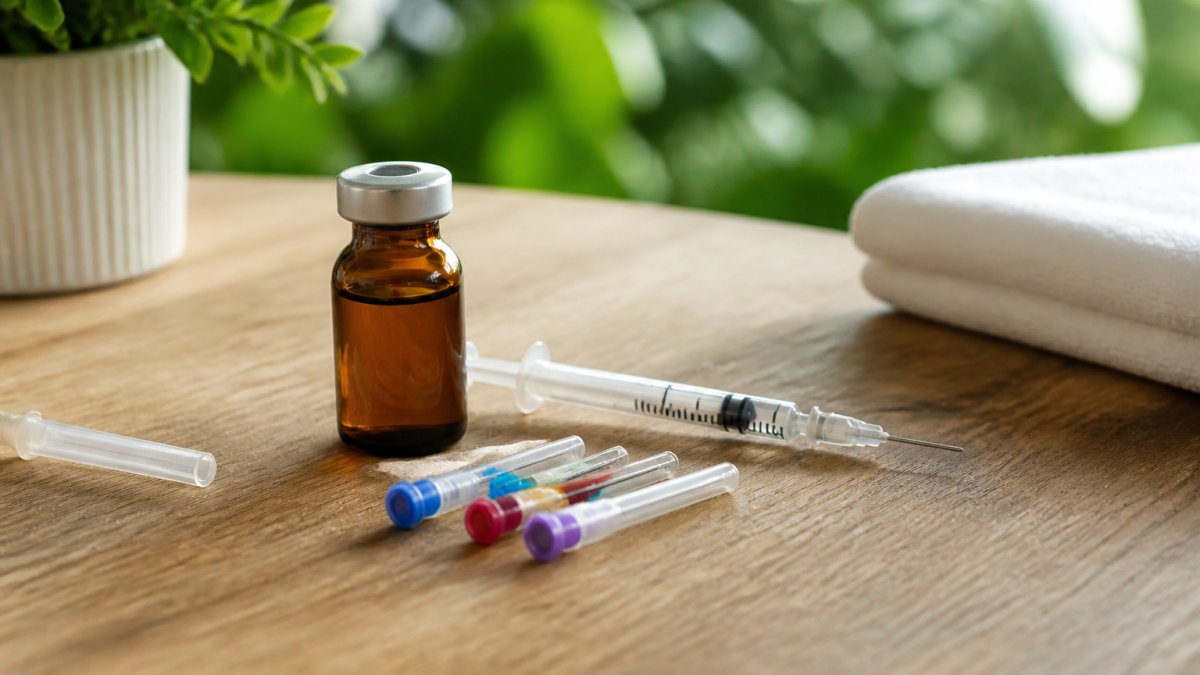
 how-to
Natural Ways to Increase Vitamin B12 Levels
Table of Contents
- Understanding Vitamin B12 Deficiency Symptoms
- Best Food Sources of Vitamin B12
- How Your Body Absorbs Vitamin B12
- Vitamin B12 Injections vs Oral Supplements
- Step-by-Step Plan to Increase Vitamin B12 Levels Naturally
- Drug-Nutrient Interactions and B12 Absorption
- Recommended Daily Intake and Special Populations
- Frequently Asked Questions
Last Updated: October 1, 2026
Understanding Vitamin B12 Deficiency Symptoms
Vitamin B12 deficiency is a condition where your body doesn't have enough cobalamin, a nutrient essential for red blood cell formation, DNA synthesis, and neurological function. Recognizing the early warning signs helps you take action before symptoms become serious.
Early warning signs
Fatigue and low energy are often the first signals that your B12 levels are dropping. You might feel tired even after adequate sleep, struggle through afternoon energy crashes, or notice brain fog that makes concentration difficult. These symptoms develop gradually, so many people dismiss them as stress or poor sleep.
Other early indicators include:
- Weakness or heaviness in your limbs
- Mild shortness of breath during normal activity
- Pale or slightly yellowish skin tone
- Mouth sores or a swollen, red tongue
- Loss of appetite
The challenge with early detection is that these symptoms overlap with many other conditions. This is why serum level testing matters, it confirms whether B12 deficiency is actually the culprit before you invest time in treatment.
Neurological and cognitive effects
Once deficiency progresses, neurological symptoms emerge. Nerve damage from prolonged low B12 can cause tingling or numbness in your hands and feet, a condition called peripheral neuropathy. Some people experience difficulty walking or feel unsteady on their feet.
Cognitive changes also occur. You might notice memory problems, difficulty concentrating, or mood shifts including depression or anxiety. In severe cases, pernicious anemia develops, an autoimmune condition where your body cannot absorb B12 properly, regardless of dietary intake.
The critical point: nerve damage can become permanent if left untreated. This is why addressing deficiency early matters. Once symptoms reach the neurological stage, supplementation becomes essential, not optional.
Best Food Sources of Vitamin B12
Animal-derived foods contain the most bioavailable B12. Your body absorbs cobalamin from these sources more efficiently than from fortified plant-based options. This matters because bioavailability determines how much B12 actually enters your bloodstream.
Animal-derived foods and bioavailability
Beef liver is the single richest natural source, containing far more B12 per serving than any other food. Fatty fish like salmon and mackerel provide substantial amounts along with omega-3 fatty acids. Eggs, particularly the yolks, deliver B12 in a form your digestive system recognizes easily.
Dairy products including Greek yogurt, cheese, and milk contain measurable B12, though in smaller quantities than meat or fish. The advantage of dairy is that most people tolerate it well and can consume it regularly.
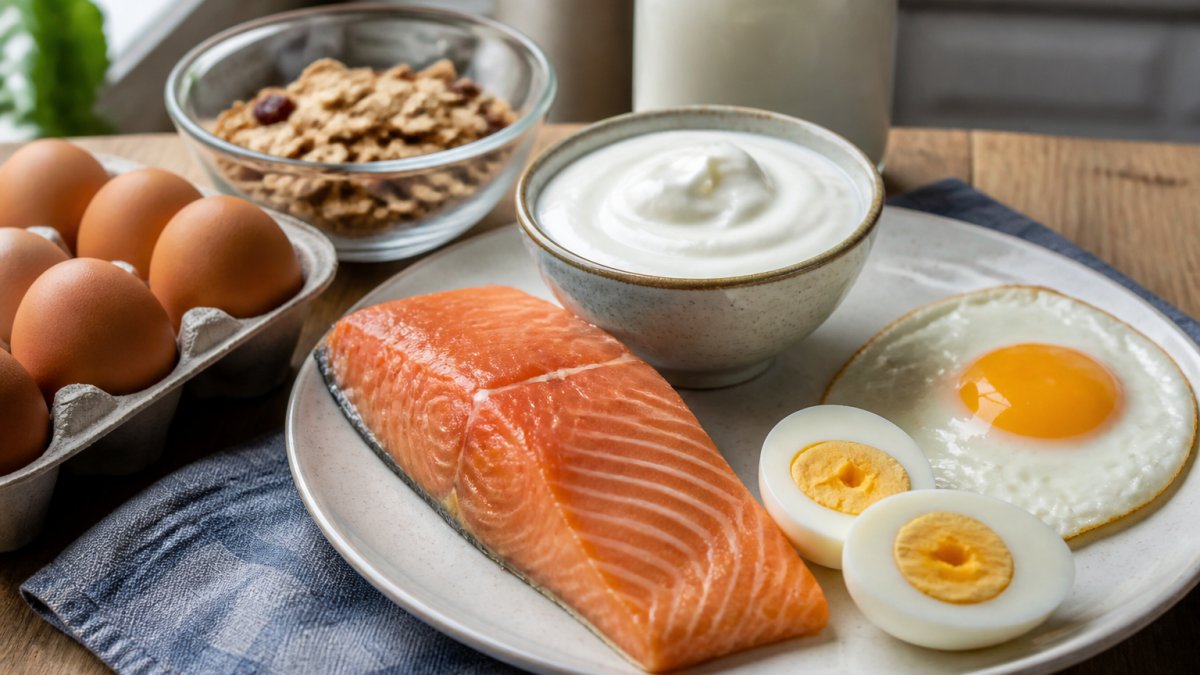
The bioavailability advantage of animal products comes down to chemistry. Your stomach acid and digestive enzymes break down animal-derived B12 more completely than synthetic or plant-based versions. This means you absorb more of what you consume.
Plant-based and fortified options for vegans and vegetarians
Vegans and vegetarians face a real challenge: plant foods don't naturally contain B12. The vitamin comes from bacteria in soil and animal products. Fortified foods are your primary option.
Breakfast cereals fortified with B12 provide reliable amounts, though you need to check labels, not all cereals include it. Nutritional yeast, a popular vegan ingredient, contains B12 if it's been fortified during production. Plant-based milk alternatives like soy and almond milk often include added B12.
The limitation: fortified foods deliver synthetic cobalamin, which your body must convert before absorption. This conversion process is less efficient than absorbing B12 from animal sources. Many vegetarians and vegans need supplementation to maintain adequate serum levels, even with fortified foods in their diet.
How Your Body Absorbs Vitamin B12
Your digestive system has a complex process for extracting and using B12. Understanding this process reveals why some people struggle with deficiency despite eating B12-rich foods.
The role of intrinsic factor and digestive health
Intrinsic factor is a protein your stomach produces that binds to B12, allowing absorption in your small intestine. Without adequate intrinsic factor, B12 passes through your digestive tract unused, regardless of how much you consume.
This is why pernicious anemia develops.
Absorption barriers and malabsorption conditions
Several conditions interfere with normal B12 absorption. Celiac disease damages your small intestine, reducing nutrient absorption across the board. Crohn's disease and inflammatory bowel conditions create similar problems.
Vitamin B12 Injections vs Oral Supplements
Both delivery methods work, but they suit different situations. Your choice depends on your absorption capacity and deficiency severity.
Injection benefits and bioavailability
B12 injections bypass your digestive system entirely, delivering cobalamin directly into muscle tissue. This matters when malabsorption is the problem. If your stomach can't produce intrinsic factor or your intestines can't absorb B12, injections are non-negotiable.
Oral supplements and when they work best
Oral supplements work best when your digestive system functions normally. If you eat B12-rich foods but still have low serum levels, malabsorption is likely, oral supplements won't fix it.
Step-by-Step Plan to Increase Vitamin B12 Levels Naturally
A practical approach combines testing, dietary changes, gut health support, and supplementation when needed.
Step 1: Assess your current B12 status and serum levels
Start with a blood test. Your doctor measures serum B12 levels, which indicate how much cobalamin circulates in your bloodstream. Normal range is typically 200-900 picograms per milliliter, though some experts recommend levels above 400 for optimal neurological function.
Step 2: Increase dietary intake through targeted food choices
If testing shows deficiency and your digestion is normal, prioritize B12-rich foods. Aim for animal products at least 3-4 times weekly:
- Beef liver (one serving covers your weekly needs)
- Fatty fish like salmon or mackerel twice weekly
- Eggs daily or every other day
- Greek yogurt or cheese as snacks
For vegans and vegetarians, commit to fortified foods:
- One serving of fortified cereal daily
- Nutritional yeast on meals several times weekly
- Plant-based milk alternatives with added B12
Step 3: Address gut health and absorption barriers
Poor digestion undermines even perfect dietary choices. Support your digestive system:
- Manage acid reflux naturally (avoid triggers, eat smaller meals)
- Include fermented foods like sauerkraut or kimchi for beneficial bacteria
- Stay hydrated, proper fluid intake supports nutrient absorption
- Reduce inflammatory foods if you have digestive sensitivity
- If you take medications affecting B12 absorption, discuss alternatives with your doctor
Step 4: Consider supplementation based on your needs
If dietary changes and gut healing don't raise your levels adequately, supplementation becomes necessary. Choose based on your absorption capacity:
- Healthy digestion: Oral supplements work well. Start with 1,000-2,000 micrograms daily.
- Malabsorption issues: Injections are more effective. Methylcobalamin injections provide the active form directly.
- Vegetarian/vegan diet: Supplementation is often essential, not optional.
Drug-Nutrient Interactions and B12 Absorption
Several common medications interfere with B12 absorption or metabolism. If you take these, your risk of deficiency increases significantly.
Recommended Daily Intake and Special Populations
The recommended dietary allowance for B12 is 2.4 micrograms daily for adults (the FDA). This assumes normal digestive function and adequate stomach acid production.
Age-related absorption decline in older adults
Adults over 50 should prioritize B12-fortified foods or supplements. Natural stomach acid production declines with age, reducing your ability to extract B12 from food. This doesn't mean dietary sources don't work, it means you need to be more intentional.
Vegetarian and vegan dietary requirements
Vegetarians and vegans need 2.4 micrograms daily from fortified foods or supplements. The challenge: plant foods don't naturally contain B12, and fortified options vary in content.
| Approach | Best For | Timeline | Effectiveness |
|---|---|---|---|
| Dietary changes | Healthy digestion, mild deficiency | 6-8 weeks | High if absorption is normal |
| Oral supplements | Vegetarians, vegans, age-related decline | 4-6 weeks | Moderate to high |
| Injections | Malabsorption, pernicious anemia, severe deficiency | 1-2 weeks | Very high |
| Gut healing + diet | Digestive issues, inflammatory conditions | 8-12 weeks | High if combined with other steps |
Frequently Asked Questions
How quickly can I raise my B12 levels naturally?
The timeline depends on your deficiency severity and absorption capacity. Dietary changes alone typically take 4-8 weeks to show measurable improvements in serum levels. If you have pernicious anemia or severe malabsorption, injections work faster, often producing symptom relief within days to weeks. Work with your healthcare provider to monitor your cobalamin levels and adjust your approach based on blood work results.
What are the best natural food sources of vitamin B12?
Animal products contain the most bioavailable B12: beef, salmon, and other fish provide 2-7 micrograms per serving, while eggs and dairy offer 0.5-1.2 micrograms. For vegans and vegetarians, fortified foods like nutritional yeast, breakfast cereals, and plant-based milk alternatives are reliable sources. Check labels for cyanocobalamin or methylcobalamin content to ensure adequate dietary intake.
Can lifestyle changes alone fix a severe B12 deficiency?
Severe deficiency often requires supplementation or injections because dietary changes cannot overcome absorption problems. If your deficiency stems from pernicious anemia or gastrointestinal conditions affecting the intrinsic factor needed for B12 absorption, food alone is insufficient. Mild deficiency may respond to dietary improvements, but blood tests and professional guidance are essential to determine whether you need injections or oral supplements.
What medications interfere with vitamin B12 absorption?
Metformin (used for diabetes), proton pump inhibitors (for acid reflux), and H2 blockers reduce stomach acid needed for B12 release from food. Certain antibiotics and medications affecting the gastrointestinal tract can also impair absorption. If you take these medications regularly, discuss B12 monitoring with your doctor and consider supplementation or injections to maintain adequate cobalamin levels and support red blood cell formation and metabolic processes.