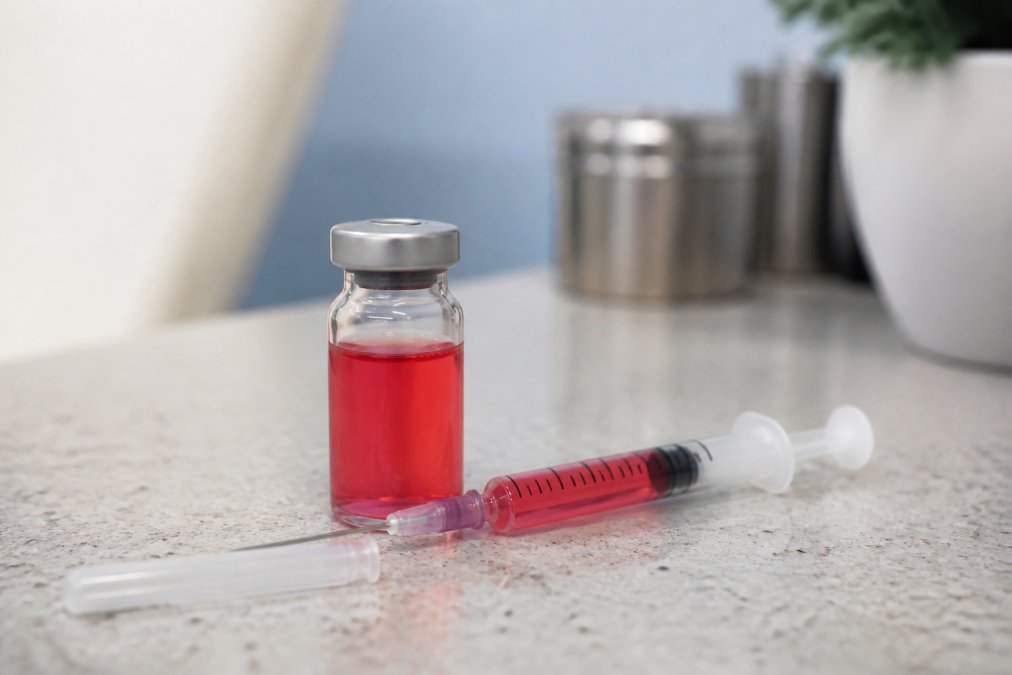
 ultimate-guide
B12 Shots: Benefits, Side Effects & How They Work
Table of Contents
- What B12 Shots Are and How They Work
- Vitamin B12 Deficiency Symptoms You Shouldn't Ignore
- Medical Uses and Health Benefits of B12 Shots
- How to Administer B12 Shots Safely at Home
- B12 Injection Side Effects and Contraindications
- Vegan and Vegetarian Protocols for B12 Supplementation
- Sourcing B12 Shots: Prescription, Cost, and What to Look For
- Conclusion
Last Updated: August 24, 2026
What B12 Shots Are and How They Work
B12 shots are injectable forms of vitamin B12 delivered directly into muscle tissue or beneath the skin, bypassing the gastrointestinal tract. Oral supplementation depends on intrinsic factor for absorption; when that system fails through age, surgery, or disease, injections become the most reliable delivery method.
Vitamin B12 is essential to red blood cell production, DNA synthesis, neurological function, and homocysteine regulation. The body cannot produce it independently, so it must come from dietary intake or supplementation. Injections bypass gastrointestinal absorption entirely, achieving essentially complete bioavailability compared to oral supplements where absorption varies dramatically.
According to the National Institutes of Health Office of Dietary Supplements, vitamin B12 deficiency affects a meaningful portion of the population, with older adults and those with certain gastrointestinal conditions at greatest risk.
Cyanocobalamin vs. Hydroxocobalamin: Which Form Is Used?
Cyanocobalamin is the most widely available synthetic form, stable at room temperature, and the standard in most injectable formulations. The body converts it to the active coenzyme forms methylcobalamin and adenosylcobalamin before use.
Hydroxocobalamin is a naturally occurring form with a longer half-life in the body, requiring less frequent dosing in some protocols. It is also the preferred antidote for cyanide poisoning.
For most people receiving B12 shots for deficiency correction, cyanocobalamin is effective and well-studied. Hydroxocobalamin is worth discussing with a physician if you need extended dosing intervals or have specific metabolic considerations.
Vitamin B12 Deficiency Symptoms You Shouldn't Ignore
Vitamin B12 deficiency symptoms develop gradually, making them easy to dismiss until they become serious. The classic presentation involves fatigue, but neurological symptoms are what make untreated deficiency genuinely dangerous.
Common symptoms include persistent fatigue and weakness, tingling or numbness in the hands and feet, cognitive decline with memory lapses and brain fog, megaloblastic anemia causing shortness of breath, mood changes including depression, glossitis and mouth ulcers, and balance problems in advanced cases.
Peripheral nerve damage caused by prolonged B12 deficiency can become permanent if not addressed. Fatigue and anemia are reversible; nerve damage often is not.

Who Is Most at Risk for Deficiency?
Older adults experience a natural decline in stomach acid production with age, reducing intrinsic factor availability and impairing gastrointestinal absorption of B12 from food. This is one of the most common and underdiagnosed causes of deficiency in people over 60.
Vegans and vegetarians have no reliable dietary source of B12 since the vitamin occurs almost exclusively in animal products. Without deliberate supplementation, deficiency is a near-certainty over time.
People with pernicious anemia have an autoimmune condition that destroys cells producing intrinsic factor. B12 injections are the standard of care.
Post-bariatric surgery patients and metformin users face reduced absorption capacity or well-documented interactions that lower B12 levels, requiring regular monitoring.
Medical Uses and Health Benefits of B12 Shots
The primary medical use of B12 shots is treatment and prevention of vitamin B12 deficiency in cases where oral supplementation cannot achieve adequate serum levels, including pernicious anemia, post-surgical malabsorption, and age-related absorption decline.
Clinically supported benefits include neurological protection through myelin sheath maintenance, red blood cell production, homocysteine regulation supporting cardiovascular health, DNA synthesis support, and cognitive function improvement when correcting deficiency-related impairment.
Do B12 Shots Actually Help With Weight Loss?
B12 shots do not cause weight loss directly. There is no credible mechanism by which B12 injection triggers fat metabolism in a person who is not deficient. The wellness industry has aggressively marketed B12 injections for weight loss, but the evidence does not support that framing.
What is true: people genuinely deficient in B12 often experience fatigue severe enough to reduce physical activity. Correcting that deficiency restores energy levels, which can support a more active lifestyle. The weight loss, if any, comes from restored function, not from B12 acting as a metabolic accelerator.
As documented in MedlinePlus, the National Library of Medicine's patient information resource, B12 injections are indicated for deficiency treatment, not as a general wellness or weight management intervention.
How to Administer B12 Shots Safely at Home
Self-administration of B12 shots is common and manageable with proper technique. Confirm with your prescribing physician that self-administration is appropriate and that you have the correct dosage and formulation.
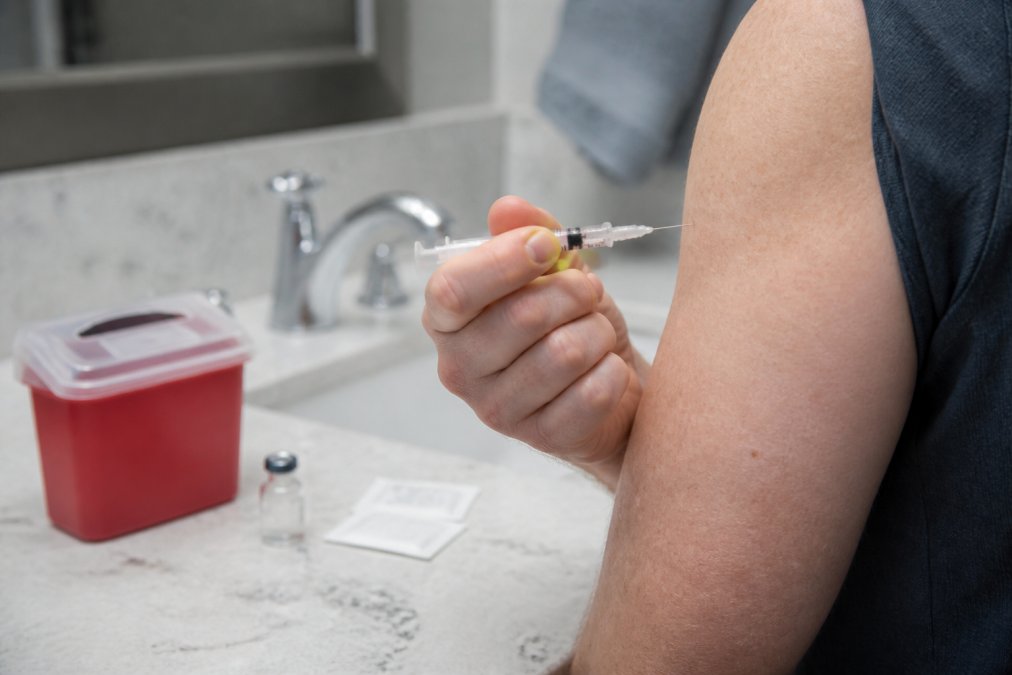
What you will need: the correct B12 injectable, appropriately gauged needles (typically 23-25 gauge for intramuscular, finer for subcutaneous), alcohol swabs, a sharps disposal container, and gloves.
Step-by-step process: Wash hands and prepare a clean surface. Check the vial for clarity and expiration date. Draw the prescribed dose, removing air bubbles. Clean the injection site with an alcohol swab and allow it to dry. Insert the needle at the correct angle (90 degrees for intramuscular, 45 degrees for subcutaneous). Aspirate briefly if using intramuscular to confirm you are not in a blood vessel. Inject slowly and steadily, then withdraw at the same angle. Apply gentle pressure with a clean swab; do not rub. Dispose of the needle immediately in a sharps container.
Intramuscular vs. Subcutaneous Injection: What to Know
Intramuscular injection delivers B12 directly into muscle tissue, typically the deltoid or vastus lateralis. Absorption is rapid and this is the traditional clinical route.
Subcutaneous injection delivers the dose into fatty tissue just beneath the skin. It is generally less painful and easier to self-administer. Research suggests subcutaneous delivery achieves comparable serum levels to intramuscular injection, making it a practical alternative for home use.
The choice between routes often comes down to personal comfort and physician preference.
Dosage and Frequency of Administration
Dosage and frequency depend entirely on the clinical indication and the prescribing physician's protocol. There is no universal self-prescribed dose. Always follow your physician's specific protocol and do not adjust frequency based on energy levels alone without confirming serum levels have normalized.
| Indication | Typical Frequency | Common Dose Range |
|---|---|---|
| Pernicious anemia (loading) | Daily for 1-2 weeks | As prescribed |
| Pernicious anemia (maintenance) | Monthly | As prescribed |
| General deficiency correction | Weekly initially, then monthly | As prescribed |
| Preventative supplementation | Monthly or as directed | As prescribed |
B12 Injection Side Effects and Contraindications
B12 shots are generally well tolerated. The most common side effects are local: pain, redness, or swelling at the injection site, typically resolving within 24-48 hours. Less common reactions include mild diarrhea, itching or skin rash, headache, dizziness, and hypokalemia in rare cases during high-dose treatment.
Serious allergic reactions are rare but possible. Anaphylaxis has been reported, most often with cyanocobalamin formulations. Anyone receiving their first injection in a clinical setting should be monitored for at least 15-30 minutes afterward.
Contraindications include known hypersensitivity to cobalamin or cobalt, and caution is warranted in people with Leber's disease, where B12 injections can accelerate optic atrophy.
Medication Interactions to Watch For
B12 injections have fewer drug interactions than many supplements, but several are clinically relevant. Metformin reduces B12 absorption over time, which is why people on long-term metformin therapy are at elevated deficiency risk. Regular serum level monitoring is essential.
Chloramphenicol (an antibiotic) can blunt the hematologic response to B12 therapy. Proton pump inhibitors and H2 blockers reduce stomach acid, impairing dietary B12 absorption. Colchicine and aminosalicylic acid have been documented to impair B12 absorption at the gastrointestinal level.
According to the FDA's drug interaction guidance for healthcare professionals, patients on multiple medications affecting gastrointestinal function should have B12 status monitored regularly.
Vegan and Vegetarian Protocols for B12 Supplementation
Vegans and vegetarians occupy a unique position in the B12 conversation. Plant-based deficiency is purely dietary: there is simply no meaningful B12 in plant foods. Fermented foods and algae are frequently cited as sources, but evidence that they provide bioavailable B12 in useful quantities is not strong.
The practical protocol for vegans and vegetarians: Get baseline serum B12 levels checked before starting any supplementation. Oral high-dose supplements work for many vegans with intact intrinsic factor and normal gastrointestinal absorption. B12 shots become appropriate when oral supplementation fails to raise serum levels adequately or when absorption issues are identified. Monitor annually at minimum.
A plant-based diet does not automatically mean you need injections, but it does mean you cannot rely on dietary intake to maintain adequate levels without deliberate planning.
Sourcing B12 Shots: Prescription, Cost, and What to Look For
B12 injections in the United States require a prescription. The prescription requirement exists because injectable medications carry risks that oral supplements do not.
What to look for when sourcing B12 injectables: confirmed formulation (cyanocobalamin or hydroxocobalamin as prescribed), correct concentration matching your prescribed dose, sterile packaging within expiration date with no cloudiness or particulate matter, and needle gauge and length appropriate for your injection route.
Buy-Otc.com carries B12 injectable solutions along with the needles and supplies needed for self-administration, at competitive prices with GeoTrust SSL-secured checkout. For anyone managing a regular injection protocol, sourcing supplies reliably and affordably matters.
Look for SSL certification, clear return and resolution policies for damaged shipments, and responsive customer service. These are baseline requirements for medical supplies.
| Consideration | What to Verify |
|---|---|
| Prescription requirement | Confirm you have a valid prescription before ordering |
| Formulation | Cyanocobalamin or hydroxocobalamin as prescribed |
| Concentration | Matches your prescribed dosage exactly |
| Needle type | Gauge and length appropriate for your injection route |
| Supplier legitimacy | SSL certification, clear policies, responsive support |
| Expiration date | Check on receipt, before each use |
Conclusion
Managing vitamin B12 deficiency through injections is straightforward when you have the right information, the right supplies, and a physician guiding your protocol. The challenge for most people is knowing when injections are actually necessary versus when oral supplementation will suffice, and then sourcing reliable supplies consistently.
Buy-Otc.com offers discounted B12 injectables, needles, and related supplies with GeoTrust SSL-secured transactions and five-star customer service. If a shipment arrives damaged, the resolution process is handled directly. Shop right now at Buy-Otc.com and keep your supplementation protocol on track without overpaying for the supplies you need.
Frequently Asked Questions
What does a B12 shot do for you?
B12 shots deliver cyanocobalamin or hydroxocobalamin directly into muscle or tissue, bypassing gastrointestinal absorption entirely. This raises serum levels quickly and supports red blood cell production, DNA synthesis, and nerve function. People with pernicious anemia or malabsorption conditions benefit most, since oral supplements may not raise their blood markers effectively. Some people also report improved energy levels and cognitive function after correcting a deficiency, though those benefits are tied to resolving the deficiency itself.
How quickly do you feel better after B12 injections?
Timing depends on how severe your vitamin B12 deficiency is. Some people notice improved energy and reduced fatigue within a few days of their first injection. Neurological symptoms, such as tingling or memory issues, can take weeks to months to improve, and in some cases of prolonged nerve damage, full recovery is not guaranteed. Your doctor may order follow-up blood markers at 4-8 weeks to confirm serum levels are normalizing before adjusting your dosage or frequency.
Are there side effects associated with B12 injections?
B12 injection side effects are generally mild. The most common are localized pain, redness, or swelling at the injection site. Less frequently, people report mild itching, headache, or nausea. Serious adverse reactions, including allergic responses, are rare but possible, particularly with hydroxocobalamin. Because B12 is a water-soluble vitamin, excess is excreted rather than stored, so toxicity from standard therapeutic doses is uncommon. Anyone with known sensitivities or who takes metformin or certain antibiotics should review contraindications with a healthcare provider first.
Do you need a prescription for B12 shots?
Prescription requirements depend on the concentration and intended use. Injectable B12 in higher therapeutic concentrations typically requires a prescription. However, lower-concentration formulations and the supplies needed for self-administration, including needles, are available over the counter through licensed online retailers. If you have confirmed vitamin B12 deficiency symptoms or a diagnosed condition like pernicious anemia, working with a physician ensures the correct dosage, form, and monitoring schedule for your situation.
This article was written using GrandRanker