 how-to
What to Do After a B12 Injection: 7 Steps
Table of Contents
- Immediate Steps After Your B12 Injection
- How You Feel After a B12 Injection
- B12 Injection Side Effects and When to Worry
- How Quickly B12 Injections Work
- What Not to Do After a B12 Shot
- Injection Site Care and Recovery
- Your B12 Treatment Schedule and Follow-Up
- Frequently Asked Questions
Last Updated: October 8, 2026
Immediate Steps After Your B12 Injection
What to do after a B12 injection matters more than most people realize. The first hour sets the tone for how your body responds and recovers. Here's what you need to focus on right now.
Keep pressure on the injection site for 1-2 minutes after the needle comes out. Use a clean cotton ball or gauze pad. Don't rub the area. Rubbing spreads the medication and increases bruising.
Stay seated or lie down for at least 5 minutes. This prevents dizziness or lightheadedness. Some people feel a mild rush of energy right away. Others feel nothing for hours. Both are normal.
Drink plenty of water in the next 2 hours. B12 injections work best when you're well hydrated. Water helps your body absorb and distribute the vitamin throughout your system. Aim for at least 16 ounces.
Avoid strenuous exercise for the rest of the day. Light walking is fine. Heavy lifting, intense cardio, or contact sports can increase bruising and soreness at the injection site. Give your body time to settle.
How You Feel After a B12 Injection
Your body's response to a B12 injection varies. Some people notice changes within hours. Others take days or weeks. Neither timeline means something went wrong.
Physical Sensations
Physical symptoms appear first for most people. You might feel a slight warmth or tingling at the injection site. This is the medication entering your bloodstream. It typically fades within minutes.
Mild soreness or tenderness around the injection site is common. It usually peaks 24-48 hours after the shot. Applying ice for the first 12 hours reduces swelling. After that, heat helps with soreness.
Some people experience increased energy within 2-4 hours. Others report feeling tired or sleepy. Both happen because your body is adjusting to higher B12 levels. This initial fatigue typically resolves within a day.
Muscle aches or a slight "flu-like" feeling can occur in rare cases. This is not the flu. It's your nervous system responding to improved B12 status. Drink water and rest. It passes within 24-48 hours.
Mental and Mood Changes
Mental clarity often improves within the first week. Brain fog lifts. Concentration sharpens. You might notice you're thinking faster or remembering things more easily.
Mood improvements typically take longer than physical changes. Most people report feeling happier, calmer, or less anxious within 1-2 weeks. Some don't notice mood shifts for a month or more. B12 supports neurotransmitter production, which affects how you feel overall.
Sleep patterns sometimes shift after a B12 injection. You might sleep deeper or need less sleep. A few people experience temporary insomnia the first night. This usually settles within 2-3 days as your body adjusts.
B12 Injection Side Effects and When to Worry
Most side effects from B12 injections are mild and temporary. Knowing the difference between normal effects and warning signs keeps you safe.
Common side effects include mild itching at the injection site, slight redness, or a small bruise. These are expected. They fade within a few days. Applying ice immediately after the shot reduces bruising significantly.
Some people experience a mild headache or slight dizziness in the first hour. Sit down, drink water, and rest. These effects pass quickly. If dizziness lasts more than 2 hours, contact your healthcare provider.
Rare side effects include joint pain, fever, or swelling beyond the immediate injection area. These warrant a call to your doctor. They're uncommon but need evaluation.
Seek urgent care if you experience:
- Severe swelling or redness that spreads beyond the injection site
- Difficulty breathing or chest tightness
- Severe allergic reaction signs (hives, facial swelling)
- Persistent high fever above 101°F
- Signs of infection (pus, increasing warmth, red streaking)
The difference between a normal side effect and a warning sign comes down to severity and duration. Mild discomfort that improves within 48 hours is normal. Symptoms that worsen or spread need medical attention.
How Quickly B12 Injections Work
B12 starts working immediately, but you won't feel all the benefits right away. Understanding the timeline prevents frustration and helps you track real improvements.
Energy improvements often arrive within 24-48 hours for people with severe deficiency. Your cells begin using B12 for energy production right away. This is why some people feel noticeably better after just one shot.
Symptom improvement varies by what caused your B12 deficiency. If you have low B12 levels from dietary causes, you'll likely see faster improvement. If your deficiency stems from absorption issues, changes take longer because your body struggles to use B12 efficiently even with injections.
Neuropathy symptoms and nerve damage take the longest to improve. Nerve repair requires consistent B12 levels over weeks or months. Some people with long-standing nerve problems see gradual improvement over 3-6 months of regular injections. Others notice changes within weeks.
Blood B12 levels rise within hours of an injection. However, your body doesn't store excess B12 for months like older guides suggest. Most injected B12 is used or excreted within 1-2 weeks. This is why regular follow-up doses matter.
What Not to Do After a B12 Shot
Most aftercare mistakes are small, but a few can turn a routine injection into a bruise, an infection, or a missed diagnosis. Here is what to avoid, why it matters, and what to do instead.
Don't rub or massage the injection site. Rubbing pushes the medication into surrounding tissue, which increases bruising and can make the site sore for days.
Don't apply heat in the first 12-24 hours. Heat increases blood flow and swelling.
Don't exercise the injected muscle hard for the rest of the day. Heavy lifting, intense cardio, or contact sports raise blood flow to the area and can worsen bruising.
Don't submerge the site in water for 24 hours. Baths, hot tubs, pools, and swimming can introduce bacteria. Showers are fine; pat the area dry afterward and keep it clean.
Don't skip follow-up doses to stretch your supply. B12 injections work by keeping levels steady. Missing doses causes levels to drop and symptoms to return.
Don't assume one injection fixes everything. B12 deficiency treatment is ongoing for most people. Symptom improvement can take weeks to months, especially for nerve symptoms.
Don't self-treat with potassium, iron, or other supplements based on forum posts. B12 injections can shift how your body handles potassium and other electrolytes, and low iron or ferritin can mimic or worsen fatigue.
Don't ignore worsening symptoms. Contact your healthcare provider if you feel worse after an injection, develop new numbness or weakness, or have symptoms that do not improve after several doses.
Injection Site Care and Recovery
Good site care is simple, but doing it consistently is what prevents infection and keeps soreness manageable. Here is a step-by-step routine you can follow after every injection.
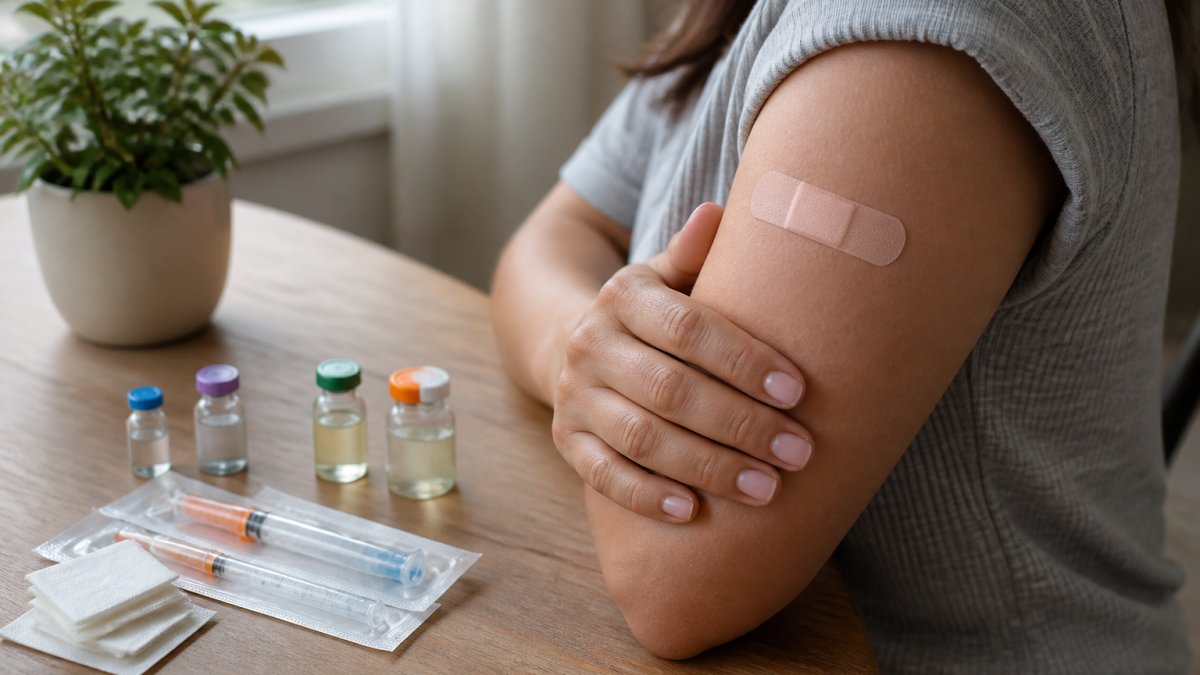
Immediately after the shot: Press a clean cotton ball or gauze over the site for 1-2 minutes. Do not rub. If there is a small amount of bleeding, keep pressure on until it stops.
First 2 hours: Leave the bandage in place if one was applied. Keep the area clean and dry. You can use the arm or leg normally, but avoid heavy strain on that muscle.
First 12-24 hours: Use ice wrapped in a thin cloth for 10-15 minutes at a time to reduce swelling and bruising. Avoid baths, hot tubs, pools, and swimming.
First 24-48 hours: Mild soreness, a small bruise, or a firm lump under the skin is common and usually resolves within a few days to a week.
What normal healing looks like: A small bruise that fades over 5-10 days. Mild tenderness that improves each day. Slight redness right at the puncture point that fades within 3-5 days.
What is not normal: Increasing redness, warmth, swelling, pus, or red streaking away from the site. A fever above 101°F. Pain that gets worse instead of better after 48 hours.
Activity guidance: Light walking and normal daily activity are fine the same day. Wait at least 6-8 hours before intense exercise, and longer if the site is sore.
Your B12 Treatment Schedule and Follow-Up
Understanding your injection schedule ensures you get consistent B12 levels and continuous symptom improvement.
Most people start with a loading dose schedule. This means injections once weekly for 4-6 weeks. Loading doses quickly raise your B12 levels and help you feel better faster.
After loading doses, you move to maintenance injections. Common schedules are monthly, every 6 weeks, or every 3 months. Your specific schedule depends on your cause of deficiency and how quickly your levels drop.
If your deficiency stems from dietary causes (vegan, vegetarian, strict diet), monthly injections usually work well.
Blood tests help determine if your schedule is working. Your provider checks your B12 levels periodically to confirm your injections are raising them adequately. If levels aren't rising enough, your schedule might need adjustment.
Don't skip doses to "save money" or stretch your supply. Inconsistent B12 levels mean inconsistent symptom relief. You'll feel better for a few weeks, then worse again. Regular injections provide steady improvement.
Track how you feel between injections. Note when symptoms return or worsen. This helps your provider fine-tune your schedule. Some people feel best with slightly more frequent injections. Others do well on longer intervals.
Managing what to do after a B12 injection properly sets up your entire treatment success. The first few hours matter most. Hydrate, rest, and keep the injection site clean.
If you're starting B12 injections or need consistent access to supplies, Buy-Otc.com makes it simple. We offer discounted B12 shots and needles with secure ordering and reliable customer service. Shop right now!
Frequently Asked Questions
What should you do immediately after a B12 injection?
Stay seated or lie down for 5-10 minutes to prevent dizziness. Apply gentle pressure to the injection site with a clean cloth for 1-2 minutes if bleeding occurs. Avoid strenuous activity for the rest of the day. Stay hydrated and monitor the injection site for any unusual reactions. Keep the area clean and dry. If you feel lightheaded or experience chest pain, seek urgent care immediately.
How quickly do B12 injections work and when will you feel better?
Most people begin noticing symptom improvement within 24-48 hours, though some experience changes within hours. Full effects typically develop over 1-2 weeks as B12 levels rise. Energy levels and mental clarity often improve first, while neuropathy and nerve symptoms may take longer to resolve. Your healthcare provider will monitor blood levels and symptom response to determine if your injection schedule needs adjustment.
What are common B12 injection side effects and when should you worry?
Mild side effects include soreness at the injection site, mild itching, or temporary flushing. These typically resolve within hours. Serious warning signs requiring urgent care include severe allergic reactions (difficulty breathing, swelling), chest pain, severe dizziness, or signs of low potassium (muscle weakness, irregular heartbeat). Contact your healthcare provider if soreness lasts more than a few days or if you develop unexpected symptoms after your injection.
What should you avoid doing after a B12 injection?
Avoid heavy lifting or strenuous exercise for 24 hours to prevent increased soreness and bleeding at the injection site. Don't apply heat or ice immediately unless directed by your provider. Don't skip hydration or meals, staying nourished supports your recovery. Don't ignore warning signs like severe pain, swelling, or signs of infection at the injection site.