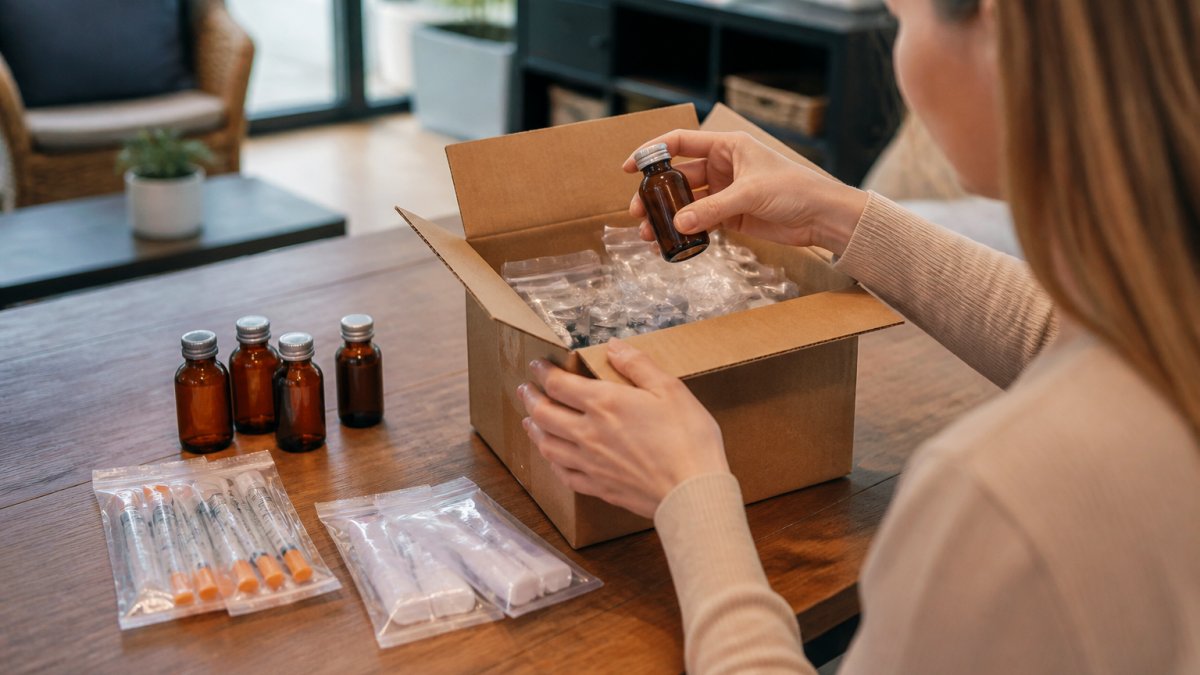
 how-to
Best Practices for Buying Vitamins Online
Table of Contents
- Start With Professional Guidance Before Buying Vitamins Online
- How to Read Supplement Labels and Spot Red Flags
- Third-Party Tested Vitamins: What Certifications Actually Mean
- How to Avoid Fake Vitamins and Counterfeit Products
- Buying Supplements Online vs In Store: What Works Best
- How to Verify Online Sellers and Choose Reputable Retailers
- Shipping, Storage, and Product Stability When Ordering Online
- Price Comparison and Value Per Serving
- Frequently Asked Questions
Last Updated: October 18, 2026
Start With Professional Guidance Before Buying Vitamins Online
The most important step when buying vitamins online is consulting a qualified healthcare provider first. Talk to your doctor, pharmacist, or registered dietitian before adding anything to your cart. They can assess your actual needs, check for interactions with your medications, and recommend products suited to your situation.
Many people skip this step and buy based on marketing claims or friends' recommendations. That's where problems start: a supplement that works for someone else might not be right for you, or could interfere with medications you're taking.
At Buy-Otc.com, we understand that buying vitamins online requires more than finding a low price. This guide walks you through the practices that separate smart supplement purchases from risky ones.
How to Read Supplement Labels and Spot Red Flags
A supplement label tells you almost everything about product quality, if you know what to look for.
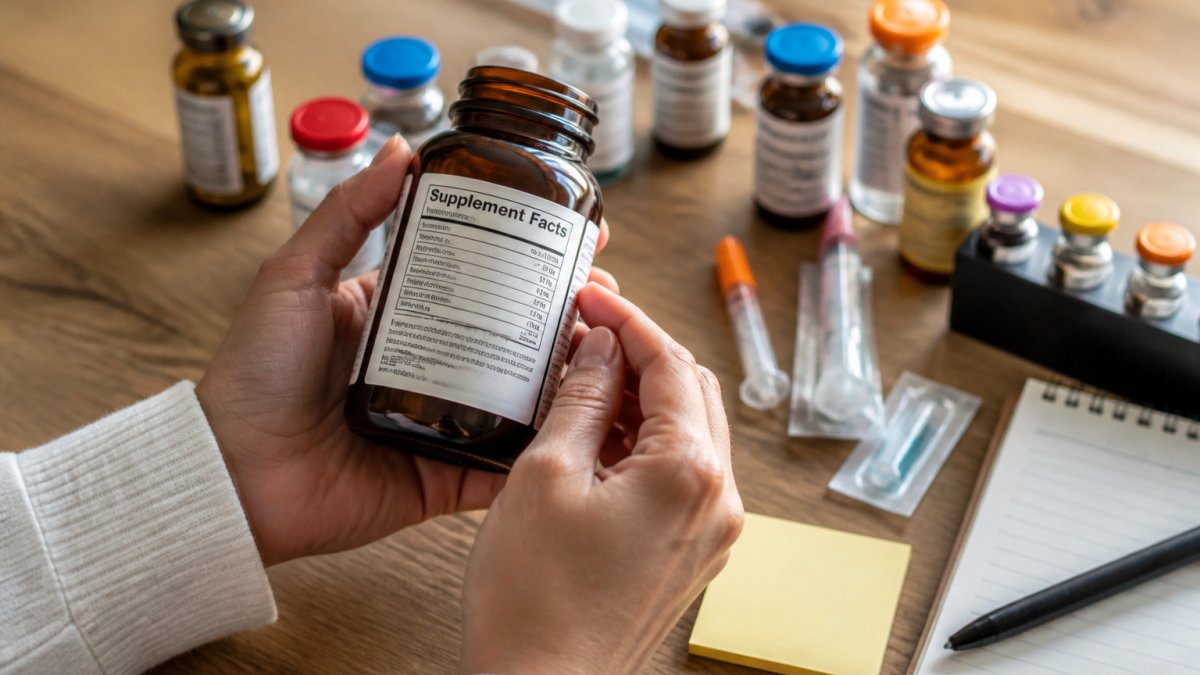
Red flags appear when labels are vague or incomplete. A "proprietary blend" without individual amounts means you don't know how much of each ingredient you're getting.
Watch for exaggerated claims on the front label. Words like "miracle," "cure," or "clinically proven" often signal marketing hype rather than substance.
Check the ingredient list for unnecessary fillers, binders, and additives like magnesium stearate, silicon dioxide, and artificial dyes. These add bulk without nutritional value.
Look for the manufacturer's name and address on the label; reputable companies are transparent about who makes their products.
Third-Party Tested Vitamins: What Certifications Actually Mean
Third-party testing sounds reassuring, but not all certifications carry equal weight when buying vitamins online.
Third-party testing means an independent organization, not the manufacturer, has verified that the product contains what the label claims and is free of harmful contaminants. Unlike a manufacturer's own quality control, independent verification adds real accountability.
Recognized Testing Organizations
The most credible testing organizations include NSF International, USP (United States Pharmacopeia), and ConsumerLab. NSF certification means the product has been tested for label accuracy and screened for over 100 contaminants including heavy metals, pesticides, and harmful microorganisms. USP verification indicates the product meets standards for purity, strength, and quality. ConsumerLab conducts independent testing and publishes results online, so you can verify a specific product.
Other certifications include Informed Choice (sports supplements), TruLabel (label accuracy), and various organic certifications. These are legitimate but narrower. Always check what each certification actually tests for, since some only verify label accuracy while others also test for contamination.
How to Verify a Certification
Don't just trust a seal on the bottle. Visit the certifying organization's website and search for the specific product. NSF, USP, and ConsumerLab all maintain searchable databases. If the product isn't listed, the seal might be outdated, fake, or the product may never have been tested.
Many manufacturers display certification logos without current verification. A seal from 2023 on a product manufactured in 2026 might not reflect current quality. Check the date and verify through the organization's current database.
How to Avoid Fake Vitamins and Counterfeit Products
Counterfeit supplements are a real problem when buying vitamins online. Fake products range from items with incorrect ingredient amounts to completely adulterated products containing harmful substances. Here's how to protect yourself.
Red Flags Before You Order
Start with the seller's credibility. Buy from the manufacturer's official website or authorized retailers whenever possible. On marketplaces like Amazon or eBay, check the seller's rating and recent reviews. If multiple reviews mention damaged packaging, incorrect products, or items that don't match the description, move on.
Price is a signal. If a product costs significantly less than everywhere else, ask why. Counterfeiters often undercut legitimate prices to move volume. This doesn't mean the cheapest option is always fake, but extreme discounts warrant extra scrutiny.
Check the packaging itself. Legitimate manufacturers invest in quality packaging. Blurry printing, misspelled words, inconsistent logos, or poor label quality suggest a counterfeit. Compare the packaging to images from the manufacturer's official website.
Verification Steps After Delivery
When your order arrives, inspect it immediately. Check that the seal is intact and tamper-evident, then examine the pills or capsules. They should look consistent in color, size, and shape; anything discolored or different from previous orders is a warning sign.
Smell the product if applicable. Supplements have characteristic scents, and an off or chemical odor that doesn't match previous purchases suggests a problem, since counterfeiters often use different inactive ingredients.
If you have any doubt, contact the manufacturer directly with photos of the packaging and product. They can confirm whether it's legitimate and whether the lot number matches their production records.
Buying Supplements Online vs In Store: What Works Best
Online and in-store shopping each have advantages. Understanding the trade-offs helps you choose the right approach for your situation.
In-store shopping offers immediate access and the ability to inspect packaging before buying. You can ask a pharmacist questions in person, get your product without waiting for shipping, and avoid shipping costs and transit damage.
Online shopping provides convenience, broader selection, and often better pricing. You can compare products across retailers from home and research reviews and certifications before ordering.
The key difference for quality and safety is the seller. A reputable online retailer with strong security practices and transparent return policies is just as trustworthy as an in-store pharmacy.
Consider buying your first supply of a new supplement in-store so you can inspect it and ask questions.
How to Verify Online Sellers and Choose Reputable Retailers
Choosing the right online seller is the single most important decision when buying vitamins online. A reputable seller makes the difference between getting a legitimate product and receiving a counterfeit.
Seller Verification Checklist
Start with these checks before making any purchase:
- Verify the seller has a professional website with clear company information, including physical address and phone number
- Check that the website uses HTTPS encryption (look for the padlock icon in your browser)
- Read recent customer reviews on multiple platforms, not just the seller's own website
- Confirm the seller is authorized by the manufacturer (many brands list authorized retailers on their official sites)
- Look for a clear return and refund policy in writing
- Check whether the seller has been in business for a reasonable length of time
- Verify that contact information is legitimate and responsive
Buy-Otc.com meets these standards with Geotrust SSL protection and reliable customer service. When you're evaluating any online seller, these are the baseline expectations.
Research the company's reputation beyond its own website. Search the company name plus "complaints" or "reviews" to see what independent sources say. A few complaints are normal, but patterns of unresolved issues, counterfeit products, or security breaches are red flags.
Security and Data Protection
Your payment information needs protection. Verify that the website uses industry-standard security software. Look for trust badges from recognized security providers. Geotrust SSL certification, for example, means the connection between your browser and the server is encrypted, protecting your credit card and personal information.
Never enter payment information on a site that doesn't use HTTPS. Check the URL, it should start with "https://" not "http://". The difference is critical for security.
Review the seller's privacy policy before entering personal information. Reputable sellers clearly explain how they collect, use, and protect customer data; a vague or missing policy is a concern. Your email address and health information shouldn't be sold to third parties without your consent.
Shipping, Storage, and Product Stability When Ordering Online
Shipping conditions affect supplement quality. Vitamins are sensitive to heat, light, and moisture. During transit, your order might experience temperature swings or humidity that degrades the product.
Ask the seller how they package supplements for shipping. Quality sellers use insulated packaging and ice packs during warm months to maintain stable temperatures. They also use padding to prevent bottles from breaking.
Once your order arrives, store supplements properly.
Check the expiration date when your package arrives. Supplements degrade over time, and expired products lose potency. If you receive a product with an expiration date within a few months, contact the seller.
Keep supplements in their original packaging when possible. The packaging protects them from light and air exposure. If you transfer them to a pill organizer, do so in small quantities and keep the original bottle for reference.
Price Comparison and Value Per Serving
Price matters, but the cheapest option isn't always the best value. Compare supplements based on cost per serving, not just the total price.
Calculate cost per serving by dividing the total price by the number of servings in the bottle.
Factor in shipping costs when comparing prices online. A product that appears cheaper might cost more once you add shipping.
Consider the form of the supplement. Capsules, tablets, and powders have different costs per serving. Powders often offer better value for long-term use, but they require measuring and mixing.
Quality and third-party testing should factor into your price decision.
Watch for subscription options. Many online sellers offer discounts for auto-delivery subscriptions. If you use a supplement regularly, a subscription saves money compared to one-time purchases.
Buying vitamins online requires more attention than walking into a pharmacy, but it's manageable once you know what to check.
Frequently Asked Questions
What should I look for on a vitamin supplement label when buying vitamins online?
Check the supplement facts panel for the active ingredient name and amount per serving. Verify the serving size matches your intended dose. Look for a complete ingredient list, including fillers, binders, and preservatives. Confirm the manufacturer name and address are listed. Watch for vague claims like 'supports wellness', these lack scientific backing. Search for third-party testing seals from NSF, USP, or ConsumerLab. Missing lot numbers or expiration dates are red flags.
What does third-party tested mean for vitamins, and why does it matter?
Third-party testing means an independent laboratory, not the manufacturer, verified that the product contains what the label claims and is free from harmful contaminants. Organizations like NSF, USP, and ConsumerLab conduct these tests. This matters because the supplement industry has less rigorous oversight than pharmaceuticals. Third-party testing confirms potency, purity, and identity, ensuring you get what you paid for and nothing dangerous. When buying vitamins online, third-party certification reduces the risk of counterfeit or adulterated products. Look for certification seals or batch numbers you can verify on the testing organization's website.
How can I tell if an online vitamin seller is trustworthy before placing an order?
Verify the seller has a physical address and phone number listed on their website. Check for SSL encryption (look for 'https' and a padlock icon in your browser). Read customer reviews on independent platforms, not just the seller's site. Confirm they source products from authorized manufacturers or distributors. Look for clear return and refund policies. Review their privacy policy to understand how they handle your data. Contact their customer service with a question to gauge responsiveness. Established retailers often display trust badges, certifications, and industry affiliations.
Is it cheaper to buy supplements online or in store?
Pricing depends on the retailer, product, and quantity. Online retailers often offer lower per-unit costs because they have lower overhead than physical stores. Bulk purchases and subscription options online can reduce price per serving. However, shipping costs can offset savings on smaller orders. In-store purchases avoid shipping delays and let you inspect packaging before buying. Online sellers may offer discounts for registered users or first-time buyers. Compare the total cost including shipping and any subscription commitments. For regular purchases of specific supplements, online buying typically costs less, but occasional buyers may find in-store pricing competitive.