 listicle
Foods High in Vitamin B12 for Energy
Table of Contents
- Why Vitamin B12 Matters for Energy and Metabolism
- The 10 Best Foods High in Vitamin B12
- Foods Extremely High in B12: Amounts Per Serving
- Plant-Based Foods with Vitamin B12
- Vitamin B12 Deficiency Symptoms You Shouldn't Ignore
- How to Increase B12 Quickly: Food and Supplementation
- Who May Be at Risk of Low B12
- Practical Meal Ideas to Boost Your B12 Intake
- Frequently Asked Questions
Last Updated: October 6, 2026
Why Vitamin B12 Matters for Energy and Metabolism
Vitamin B12, also called cobalamin, is an essential nutrient your body needs to convert food into energy. Without adequate B12, your cells can't produce the energy they need to function properly.
The connection between B12 and energy is straightforward: B12 plays a central role in energy metabolism. It helps your body break down carbohydrates and fats, turning them into usable fuel.
B12 also supports nerve health and mood regulation. Many people don't realize that low B12 can affect mental clarity and emotional well-being alongside physical energy. If you've been struggling with persistent fatigue or brain fog, checking your B12 levels is worth doing.
Below, we'll walk you through the best dietary sources of B12 and help you understand whether you need supplementation.
The 10 Best Foods High in Vitamin B12
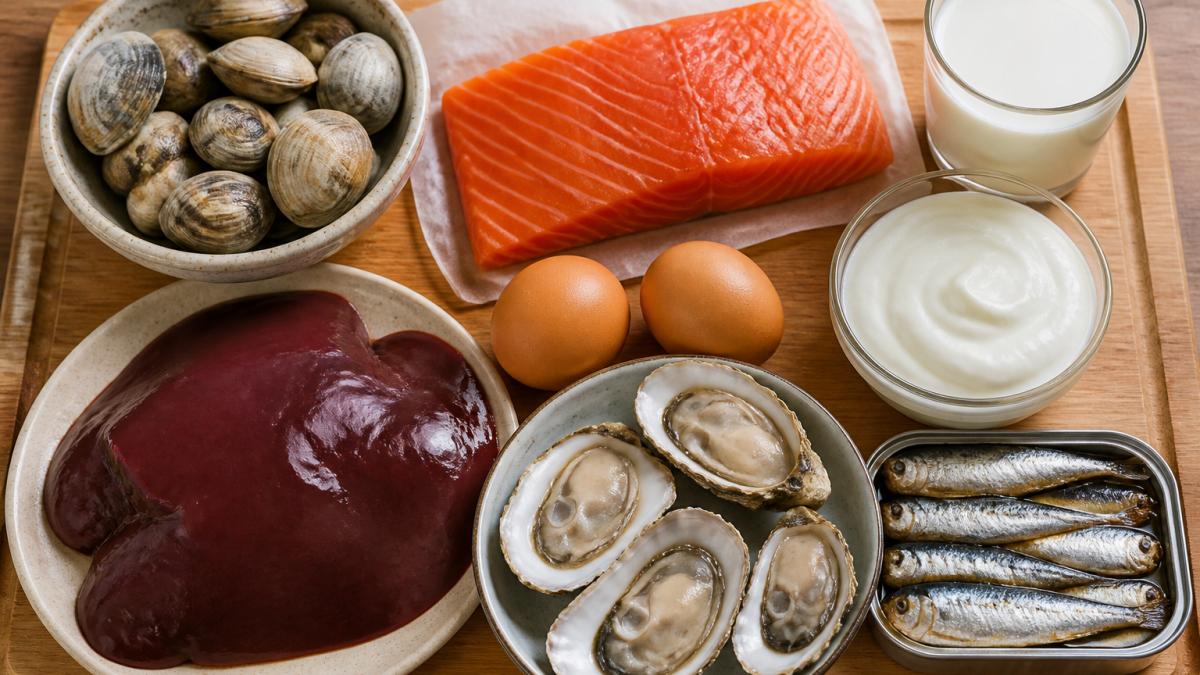
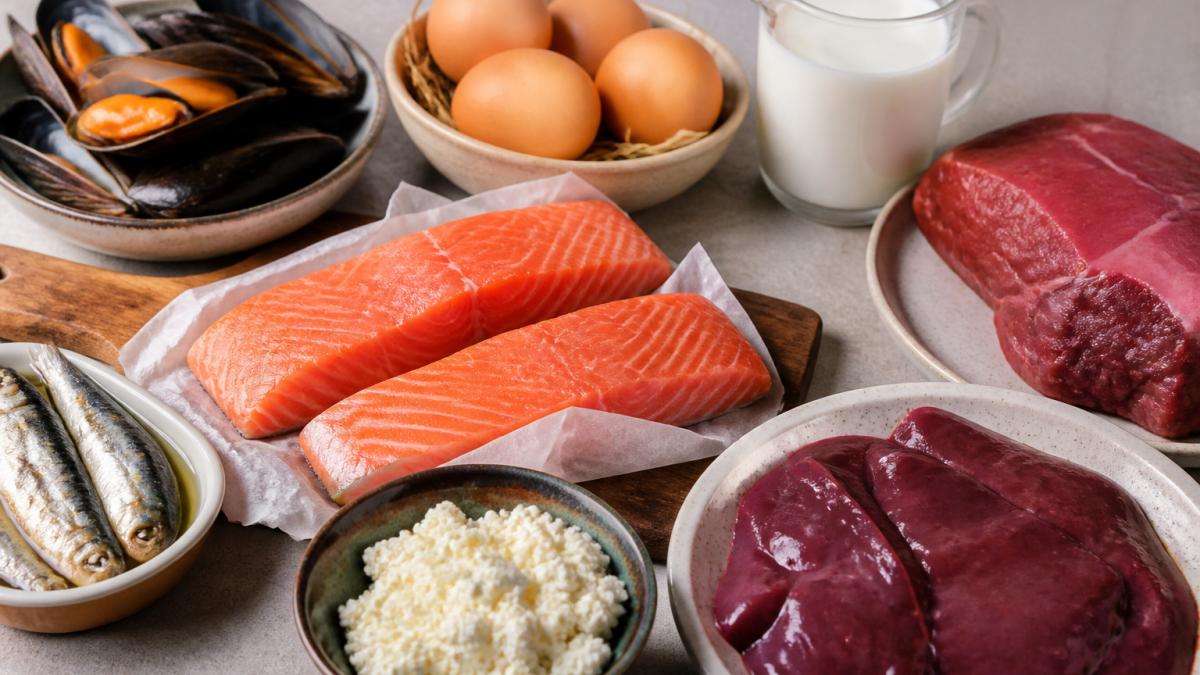
The most reliable way to get B12 is through animal-based foods. If you eat meat, fish, eggs, or dairy, you have plenty of options to meet your daily needs. Here are the 10 best foods high in vitamin B12 that you can incorporate into your regular meals.
1. Beef Liver
Beef liver is one of the most concentrated sources of B12 available. A single 3-ounce serving delivers far more B12 than most other foods, making it an excellent choice if you can tolerate organ meat. The flavor is strong, but many people enjoy it pan-seared with onions or incorporated into ground meat dishes.
If you're new to beef liver, start with small portions mixed into ground beef for tacos or pasta sauce. This lets you ease into the taste while still getting the B12 benefits. Liver also contains other B vitamins and iron, making it nutritionally dense beyond just the B12 content.
2. Clams
Clams are a shellfish powerhouse for B12. According to the NIH Office of Dietary Supplements, clams rank among the best food sources of vitamin B12. A 3-ounce serving of cooked clams provides substantial amounts of this essential nutrient.
Clams work well steamed, in pasta dishes, or added to soups. If you enjoy seafood, clams offer a tasty way to increase your B12 intake. They're also rich in iron and selenium, adding nutritional value beyond the cobalamin content.
3. Oysters
Oysters deliver B12 along with zinc and other minerals your body needs. Like clams, oysters are recognized by health authorities as reliable B12 sources. A 3-ounce serving contains meaningful amounts of this vitamin.
Oysters can be eaten raw, steamed, or grilled. If raw oysters aren't your preference, try them lightly steamed with lemon. They're a versatile shellfish that works in many dishes.
4. Salmon
Salmon is a familiar fish that contains B12 alongside omega-3 fatty acids. According to Kaiser Permanente's nutritional guidance, salmon is among the foods that provide vitamin B12. A 3-ounce cooked portion offers a solid B12 contribution to your diet.
Salmon is easy to prepare: bake it, grill it, or pan-sear it. It works in salads, pasta, or as a standalone protein. The omega-3s in salmon add cardiovascular benefits alongside the B12 content.
5. Sardines
Sardines are small fish packed with nutrients, including B12. They're convenient because you can eat them straight from the tin, making them a quick snack or lunch addition. A small tin provides meaningful B12 along with calcium (if you eat the bones) and omega-3 fatty acids.
Add sardines to salads, eat them on whole grain toast, or mix them into pasta. They're affordable and shelf-stable, making them practical for regular consumption.
6. Trout
Trout is another excellent fish source of B12. Whether you catch it fresh or buy it at the market, trout cooks quickly and pairs well with vegetables. A 3-ounce serving contributes meaningfully to your daily B12 needs.
Trout can be baked, grilled, or pan-fried. It has a milder flavor than salmon, making it a good option if you prefer less "fishy" tasting seafood.
7. Eggs
Eggs contain B12, particularly in the yolk. While eggs don't have as much B12 as liver or shellfish, they're a practical everyday food that contributes to your intake. Two eggs provide a modest amount of cobalamin, along with choline and other nutrients.
Eggs work in any meal: scrambled for breakfast, hard-boiled for snacks, or in omelets with vegetables. Because they're versatile and affordable, eggs make it easy to consistently include B12 in your diet.
8. Milk
Milk is a straightforward source of B12 for people who consume dairy. A single cup of milk provides a meaningful portion of your daily B12 needs. If you drink milk regularly, you're already getting B12 without extra effort.
Use milk in coffee, cereal, or drink it plain. It's one of the easiest ways to include B12 in your routine.
9. Greek Yogurt
Greek yogurt, particularly nonfat plain varieties, contains B12 alongside protein and probiotics. A 6-ounce serving provides a solid B12 contribution. Greek yogurt is thicker and more protein-rich than regular yogurt, making it a satisfying snack or breakfast base.
Eat Greek yogurt plain, with berries, or mixed into smoothies. It's a practical food that works across different meals.
Foods Extremely High in B12: Amounts Per Serving
Not all B12-containing foods are equal. Some deliver significantly more cobalamin per serving than others. Understanding these differences helps you choose foods that actually move the needle on your B12 status.
Beef liver leads the pack by a wide margin. A 3-ounce serving provides an amount of B12 that exceeds your daily requirement substantially. Clams and oysters follow closely, with similar high concentrations per serving.
Salmon, trout, and sardines provide moderate amounts per serving. They're reliable sources, but you'd need larger portions or more frequent consumption to match the concentration in liver or shellfish.
The practical takeaway: if you're trying to increase B12 quickly through diet, prioritize beef liver, clams, and oysters. If you're maintaining adequate levels, the other foods work fine as regular parts of your diet.
Plant-Based Foods with Vitamin B12
This is where plant-based diets face a real challenge. Most plants don't naturally contain B12 because cobalamin is produced by bacteria, not by plants themselves.
Fortified foods are your main option. Many plant-based milk alternatives, cereals, and nutritional yeast are fortified with B12 during manufacturing. Check the label to confirm the B12 content, as not all plant-based products include it.
Fermented foods like tempeh and miso contain some B12, though the amounts vary and aren't always reliable.
The honest truth: plant-based diets require either fortified foods or supplementation to ensure adequate B12. If you're vegan or vegetarian, relying on food alone is risky. This is where injectable B12 or oral supplements become practical solutions.
Vitamin B12 Deficiency Symptoms You Shouldn't Ignore
B12 deficiency develops gradually, often without obvious early warning signs. By the time symptoms appear, your levels may be significantly low. Recognizing these symptoms matters because prolonged deficiency can cause permanent nerve damage.
Tiredness and fatigue are typically the first signs people notice. You feel exhausted despite adequate sleep. Brain fog follows closely, with difficulty concentrating, memory problems, and mental sluggishness.
Nerve-related symptoms appear as deficiency worsens. Tingling or numbness in your hands and feet, weakness, and difficulty with balance can develop. In severe cases, B12 deficiency affects mood, causing depression or anxiety.
If you notice persistent fatigue, brain fog, or nerve symptoms, getting your B12 level checked is worthwhile. A simple blood test shows whether deficiency is the cause. Catching it early prevents complications and makes correction easier.
How to Increase B12 Quickly: Food and Supplementation
If your B12 is low, increasing food intake helps but may not work fast enough, depending on how deficient you are. This is where supplementation becomes practical.
Oral supplements work for some people, but they depend on your digestive system absorbing the B12 properly. If you have absorption issues (common with age, certain medications, or digestive conditions), oral supplements may not be effective.
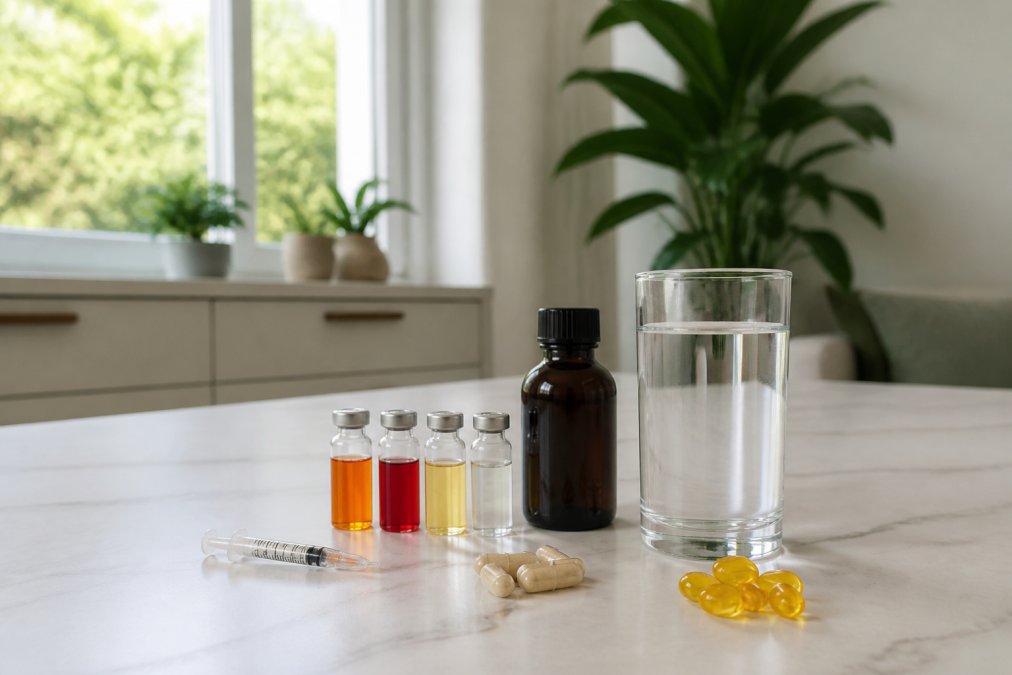
Injectable B12 bypasses digestion entirely, delivering the vitamin directly into your bloodstream. This is why Buy-Otc.com offers B12 shots. Many people feel noticeably more energetic within days of starting injections.
If you're choosing between food and supplementation, consider your current B12 level, your age, and whether you have any absorption issues. Younger people with good digestion might succeed with dietary changes.
Who May Be at Risk of Low B12
Certain groups face higher risk of B12 deficiency and should monitor their levels more carefully.
Older adults absorb B12 less efficiently as they age. If you're over 50, your stomach produces less of the acid needed to release B12 from food.
People taking metformin (for diabetes) or proton pump inhibitors (for acid reflux) have reduced B12 absorption.
Vegans and strict vegetarians face deficiency risk because plant foods don't naturally contain B12. Without fortified foods or supplements, deficiency is inevitable over time.
People with digestive conditions like celiac disease, Crohn's disease, or IBS may not absorb B12 properly. If you have a digestive disorder, B12 testing is important.
Anyone experiencing persistent fatigue or neurological symptoms should get tested, regardless of whether they fit these categories.
Practical Meal Ideas to Boost Your B12 Intake
Building B12 into your meals doesn't require complicated cooking. Simple changes make a real difference.
Breakfast: Scrambled eggs with whole grain toast and a glass of milk. This combination delivers B12 from eggs and dairy while providing fiber and other nutrients.
Lunch: Grilled salmon with roasted vegetables and a side salad. Add Greek yogurt as a dressing base for extra B12.
Dinner: Lean ground beef mixed with sautéed beef liver (start with a small ratio if liver is new to you), served over pasta with vegetables.
Snacks: Hard-boiled eggs, a tin of sardines on whole grain crackers, or Greek yogurt with berries.
Quick option: If cooking feels overwhelming, a simple meal of canned clams over pasta with olive oil and garlic takes 15 minutes and delivers substantial B12.
The key is consistency.
| Food | B12 Contribution | Best Preparation | Frequency |
|---|---|---|---|
| Beef liver | Highest concentration | Pan-seared, mixed into ground meat | 1-2x per week |
| Clams/Oysters | High concentration | Steamed, in pasta or soup | 1-2x per week |
| Salmon/Trout | Moderate amount | Baked or grilled with vegetables | 2-3x per week |
| Sardines | Moderate amount | From tin, on toast or in salads | 2-3x per week |
| Eggs | Modest amount | Any preparation | Daily or near-daily |
| Milk | Modest amount | Drink, in coffee, or in cereal | Daily |
| Greek yogurt | Modest amount | Plain, with berries, or in smoothies | Daily or several times weekly |
Frequently Asked Questions
What foods are extremely high in B12?
Beef liver, clams, and oysters rank among the richest natural sources of cobalamin. A 3-ounce serving of beef liver provides substantial B12, as does a small portion of clams. Salmon, sardines, and eggs also deliver significant amounts. These animal-based foods consistently appear on NIH and medical authority lists as the most concentrated sources of this essential nutrient.
Can vitamin B12 foods actually give you more energy?
Yes. Vitamin B12 plays a direct role in energy metabolism, helping convert food into usable energy. Low B12 causes tiredness and fatigue because your body cannot efficiently produce the energy it needs. Eating B12-rich foods or supplementing addresses this mechanism at its source. If you have low B12, restoring adequate levels often reduces fatigue and improves mental clarity.
What are the best plant-based sources of vitamin B12?
Plant foods rarely contain naturally occurring B12 unless fortified. Fortified plant-based milks, cereals, and nutritional yeast are your most reliable options. However, absorption from fortified plant foods varies.
How can I increase my B12 quickly?
Food sources work gradually as your body absorbs B12 over time. For faster results, B12 injections bypass the digestive system. If you suspect deficiency, consult a healthcare provider. They can test your B12 status and recommend injections, oral supplements, or dietary changes based on your individual needs and absorption capacity.
What vitamin B12 deficiency symptoms should I watch for?
Common signs include persistent fatigue, weakness, brain fog, difficulty concentrating, mood changes, and nerve tingling in hands or feet. Some people experience shortness of breath or pale skin. Symptoms develop gradually as B12 stores deplete. If you notice sustained tiredness, mood changes, or nerve symptoms, have your B12 levels checked. Early detection prevents serious complications and restores energy faster.
If dietary changes alone aren't raising your energy levels, B12 supplementation through injections offers faster, more reliable results. Buy-Otc.com provides discounted access to B12 shots and other injectable options with secure ordering and reliable customer service. Shop right now to find the B12 solution that works for your situation.