 how-to
How to Choose the Right Digestive Enzyme Supplement
Table of Contents
- Start With Your Symptom, Not the Label
- Digestive Enzyme Supplement Ingredients That Actually Matter
- The Best Digestive Enzymes for Lactose Intolerance
- When to Take Digestive Enzymes for the Best Results
- Digestive Enzymes and Probiotics Together: Do You Need Both?
- A Step-by-Step Checklist Before You Buy
- Common Mistakes to Avoid
- Conclusion
- Frequently Asked Questions
Last Updated: October 21, 2026
Start With Your Symptom, Not the Label
Learning how to choose the right digestive enzyme supplement starts with one question: what happens after you eat? Gas after a salad. Bloating within an hour of ice cream. A heavy, brick-like feeling that lasts half the day. Your symptoms point to the answer better than any marketing badge on a bottle.
A digestive enzyme supplement is a capsule or chewable that supplies the enzymes your body uses to break food into absorbable pieces. Your pancreas and small intestine make these enzymes naturally. When one type falls short, specific foods trigger specific problems.
A common mistake is buying a "complete" formula before naming the problem.
Match the symptom to the enzyme type:
- Dairy bloating → lactase
- Beans and vegetables causing gas → alpha-galactosidase
- Fatty meals sitting heavy → lipase
- Protein meals feeling stuck → protease
Write down your two worst trigger foods before you shop. That list is your buying guide.
Digestive Enzyme Supplement Ingredients That Actually Matter
Enzymes are named for what they break down, and that tells you more than any front-label claim. Lipase handles fats. Protease handles proteins. Amylase handles starches. Cellulase handles plant fiber, which your body cannot digest alone.
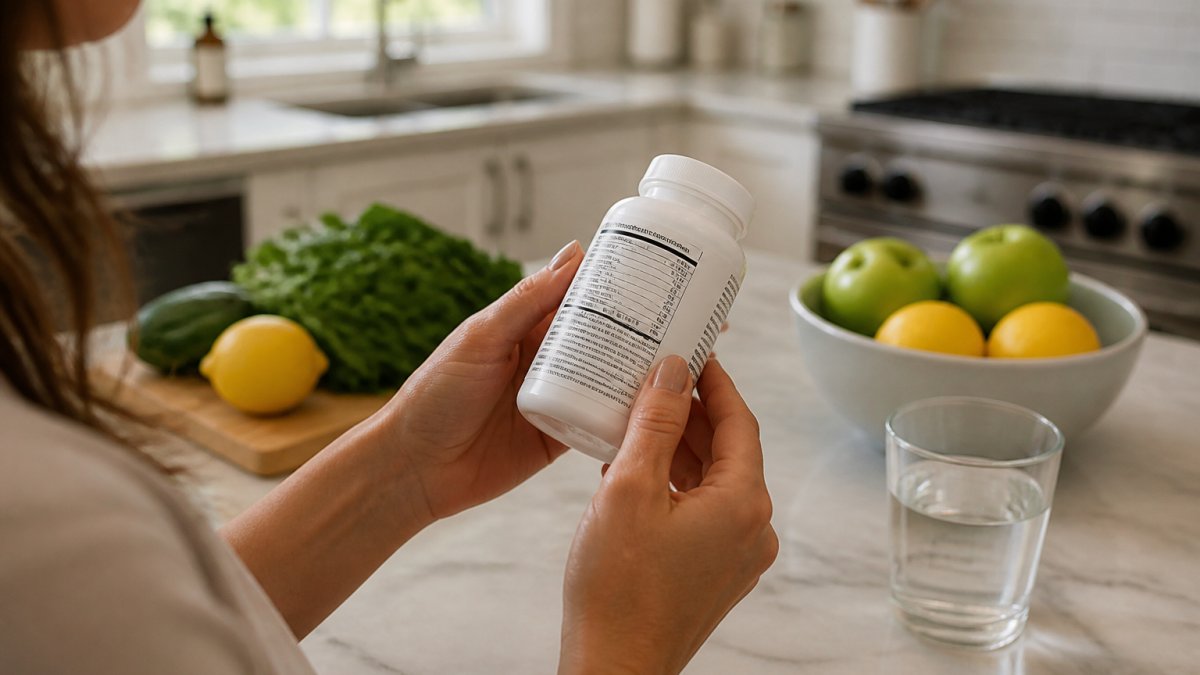
Look past the ingredient list to the activity units. A blend can name ten enzymes and still be weak.
Reading the Activity Units on the Label
Activity units measure enzyme strength, not weight. Common units include FCC, USP, and DU. Higher numbers mean more enzyme activity per dose. A label that lists "protease 500 mg" tells you the weight, not the power. A label listing "protease 30,000 HUT" tells you the activity.
Compare products by units for the same enzyme, never by capsule weight.
The Best Digestive Enzymes for Lactose Intolerance
The best digestive enzymes for lactose intolerance contain lactase, and the dose matters more than the blend size. Lactase breaks lactose, the sugar in milk, into glucose and galactose your gut can absorb.
People with lactose intolerance produce too little lactase on their own. A lactase capsule taken right before dairy can reduce the gas, cramping, and urgency that follow.
Check three things before buying:
- Lactase units per dose (look for 3,000 FCC units or higher per serving)
- Whether it is a chewable or capsule (chewables act faster)
- Whether the formula includes other enzymes (a lactase-only product is usually enough)
Lactose intolerance is not the same as a milk allergy. If you react to milk protein with hives or breathing trouble, see a doctor first.
When to Take Digestive Enzymes for the Best Results
Timing decides whether enzymes work at all. Take digestive enzymes right before or with the first bite of a meal. That way the enzymes are in your stomach when food arrives, not twenty minutes late.
Enzymes need to meet food. A capsule swallowed after dessert has missed most of the meal.
A simple routine:
- Before a meal: take your dose with a full glass of water
- With a meal: take it between the first and third bite
- For a snack: take a smaller dose if the snack contains your trigger food
Follow the label, since dosing varies by product. Do not chew capsules unless the label says chewable. Store the bottle away from heat and moisture, because enzymes lose activity over time.
Digestive Enzymes and Probiotics Together: Do You Need Both?
Digestive enzymes and probiotics together can help, but they do different jobs. Enzymes break food down. Probiotics add live bacteria to your gut. One works on the meal in front of you. The other works on your gut over weeks.
Ask yourself what you want to fix:
- Fast gas and bloating after meals → start with enzymes
- Irregular digestion over weeks → talk to your doctor about probiotics
- Both problems at once → a combined product may help
Combination products exist, and they can save you from buying two bottles. Check that the enzyme units are still listed clearly on the combo label.
A Step-by-Step Checklist Before You Buy
Use this checklist to narrow the shelf in five minutes.
| Step | What to Do | Why It Matters |
|---|---|---|
| 1 | Name your two trigger foods | Points to the right enzyme |
| 2 | Match symptom to enzyme type | Avoids wasted blends |
| 3 | Check activity units per dose | Confirms real strength |
| 4 | Read the full ingredient list | Flags fillers and allergens |
| 5 | Check the return policy | Protects your purchase |
| 6 | Start with a small bottle | Tests tolerance first |
Common Mistakes to Avoid
Buying by capsule count is the first trap. Sixty capsules of a weak blend are worth less than thirty capsules of a strong one. Compare units, not pills.
The second mistake is expecting instant results. Many people feel a difference with the first meal, but some need a week of consistent use to notice change. Track your symptoms for seven days before you judge a product.
The third mistake is skipping the doctor. Ongoing pain, weight loss, or blood in your stool are not enzyme problems. Those need medical attention, not a supplement.
Conclusion
Choosing a digestive enzyme supplement comes down to matching your trigger foods to the right enzyme and checking the activity units before you pay. Start small, track results for a week, and adjust from there.
Buy-Otc.com offers competitive discounts on over-the-counter products, including injectables and specialized skincare, with industry-standard security software and Geotrust SSL protection. We provide 5-star customer service for reliable resolution of damaged items, and registered users receive discounts and special offers. Shop right now!
Frequently Asked Questions
How do digestive enzymes work?
Digestive enzymes are proteins that break food into smaller molecules your body can absorb. Your pancreas and small intestine make them naturally, but levels can fall short for some people. A digestive enzyme supplement adds extra enzymes to the gut so fats, proteins, carbs, and dairy sugars get broken down more completely. The effect is specific to what you eat: a protease-heavy product helps with protein meals, while lactase targets dairy. Match the enzyme type to the food that triggers your symptoms rather than expecting one capsule to cover everything.
Can I take digestive enzymes and probiotics together?
Yes, most people can take digestive enzymes and probiotics together, and many combination products are sold that way. Enzymes work in the stomach and small intestine to break down food, while probiotics are live bacteria that support the gut microbiome. Timing matters more than the pairing: take enzymes with meals and follow the probiotic label for its schedule. If you are sensitive, start one at a time so you can tell which product is helping. Check with a pharmacist if you take prescription medication.
When should you take digestive enzyme supplements?
Take digestive enzymes right before or with the first few bites of a meal. The enzymes need to be in the stomach at the same time as the food to break it down. For a large meal or a dairy-heavy dish, take the dose at the start rather than after you finish eating. Products vary, so follow the label directions. If you forget and remember mid-meal, take it then; taking it after the meal is less effective because much of the food has already moved on.
When should digestive symptoms be evaluated by a healthcare professional?
See a doctor if you have persistent bloating, gas, or diarrhea that lasts more than a few weeks, unexplained weight loss, blood in your stool, severe abdominal pain, or symptoms that wake you at night. These can signal conditions like pancreatitis, celiac disease, or inflammatory bowel disease that a supplement will not fix. A digestive enzyme supplement is not a treatment for a diagnosed condition unless a clinician recommends it. Bring your supplement label to the appointment so your doctor knows what you are taking.