 how-to
How to Safely Inject B12 at Home: Complete Guide
Table of Contents
- Preparing Your Space and Supplies for Safe B12 Injection
- Best B12 Injection Sites and Rotation Strategy
- How to Draw B12 from a Vial Correctly
- Choosing the Right B12 Injection Needle Size
- Step-by-Step Guide to Administering Your B12 Injection
- Understanding B12 Injection Side Effects and What's Normal
- Safe Disposal and Storage of B12 Supplies
- Troubleshooting Common Injection Errors
- Frequently Asked Questions
Last Updated: September 3, 2026
Preparing Your Space and Supplies for Safe B12 Injection
Choose a flat, well-lit surface like a kitchen counter or bathroom vanity. Wipe it down with a disinfectant or alcohol-based cleaner to remove dust and bacteria.
Gather all supplies in one place: B12 vial, syringe, needle, alcohol swabs, sharps container, and gauze pad. Having everything within arm's reach prevents contamination mid-procedure. Buy-Otc.com carries all needles and supplies you'll need for safe home administration.
Wash your hands thoroughly with soap and warm water for at least 20 seconds, then dry completely with a clean towel (the CDC). Your hands are the primary vector for introducing bacteria into the injection site.
Check your B12 vial for cloudiness, discoloration, or particles. If the solution looks anything other than clear, discard it. Store unused vials in a cool, dark place, a refrigerator works well for most B12 formulations. Cyanocobalamin and methylcobalamin both require proper storage to maintain potency.
Inspect your needle and syringe for damage before opening the package. A bent needle or cracked syringe can cause tissue damage or leakage.
Best B12 Injection Sites and Rotation Strategy
The most common sites for B12 self-injection are the deltoid (upper arm), vastus lateralis (outer thigh), and ventrogluteal (upper outer buttock).
The deltoid is the easiest to access if you're injecting yourself. It's located on the outer surface of your upper arm, roughly midway between your shoulder and elbow. Pinch the muscle to identify it clearly. This site allows you to see what you're doing, though repeated injections can cause soreness if you don't rotate properly.
The vastus lateralis is the outer thigh muscle, located on the front and outer side midway between hip and knee. This site offers plenty of room for rotation and is spacious enough to accommodate frequent injections without fatigue. You can inject while sitting, which many find less intimidating.
The ventrogluteal site is the upper outer portion of your buttock. It's the safest intramuscular injection site because it avoids major nerves and blood vessels, but it's harder to access for self-injection.
Rotation is essential. Injecting in the exact same spot repeatedly causes localized tissue damage, bruising, scar tissue formation, and potential nerve irritation. Establish a rotation pattern: left deltoid, right deltoid, left thigh, right thigh, then repeat. Space injections at least one inch apart within each site.
Keep a simple log of where you injected each time. This prevents accidental re-injection of the same area and helps you identify patterns of soreness or bruising that signal technique issues.
How to Draw B12 from a Vial Correctly
Drawing B12 from a vial requires aseptic technique to prevent contamination of the medication and injection site.
Remove the B12 vial from storage. If refrigerated, allow it to reach room temperature, cold medication can be uncomfortable to inject. Hold the vial upright and examine it for contamination.
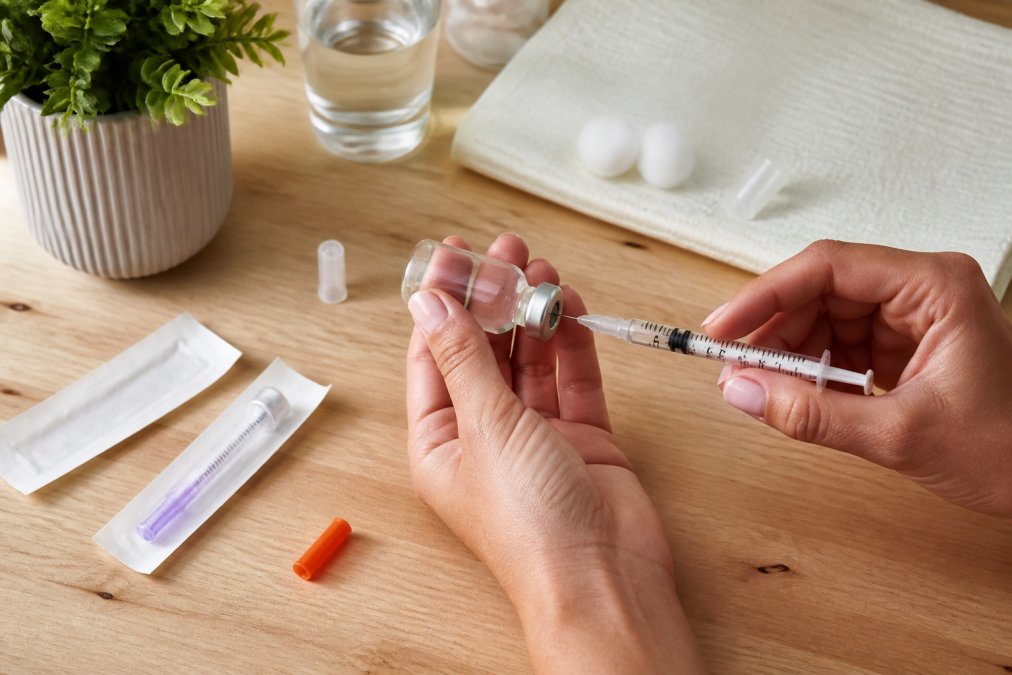
Clean the rubber septum with an alcohol swab using firm, circular motions for at least 30 seconds (the CDC). Let the alcohol dry completely before proceeding; inserting a needle into wet alcohol introduces it into the vial and degrades the medication.
Open your syringe and needle package without touching the needle tip or syringe barrel. Draw back the plunger to pull air into the syringe equal to the volume of B12 you're withdrawing. If drawing 1 mL, pull the plunger back to the 1 mL mark.
Insert the needle through the cleaned rubber septum at a slight angle, then straighten it. Push the air into the vial to prevent a vacuum from forming. Invert the vial so the needle tip is submerged in the liquid and slowly pull the plunger back to draw the prescribed dose.
Once you've drawn the correct amount, remove the needle from the vial. If you see air bubbles, tap the barrel gently to move them toward the needle, then push the plunger slightly to expel them back into the vial. Repeat until the syringe contains only medication.
Choosing the Right B12 Injection Needle Size
Needle selection depends on gauge (thickness) and length.
Gauge refers to needle thickness. Higher numbers mean thinner needles. Common gauges for B12 injection range from 25G to 28G. A 25G needle is slightly thicker and faster but causes more tissue trauma. A 28G needle is thinner and causes less pain but takes longer to inject. For home use, most people prefer 27G or 28G.
Length depends on injection type. Intramuscular injections require a longer needle (1 to 1.5 inches) to reach muscle tissue (peer-reviewed research). Subcutaneous injections only need to reach the fat layer beneath the skin, so a shorter needle (0.5 to 0.625 inches) is appropriate.
Intramuscular vs. Subcutaneous Injection
Intramuscular (IM) injection delivers medication directly into muscle tissue using a longer needle (1 to 1.5 inches) and slightly thicker gauge (25G to 27G). IM injections offer faster absorption because muscle tissue has rich blood supply. Most clinical B12 injections are administered intramuscularly. IM injections cause more initial discomfort but often result in faster symptom relief.
Subcutaneous injection delivers medication into the fat layer just beneath the skin using a shorter, thinner needle (0.5 to 0.625 inches, 27G to 29G). Subcutaneous injection is easier to perform, less intimidating, and causes less pain during insertion. However, absorption is slower because fat tissue has less blood supply than muscle.
For home self-injection, many people choose subcutaneous administration because it's simpler and less painful. However, if you've been receiving IM injections clinically, stick with IM at home for consistency.
Step-by-Step Guide to Administering Your B12 Injection
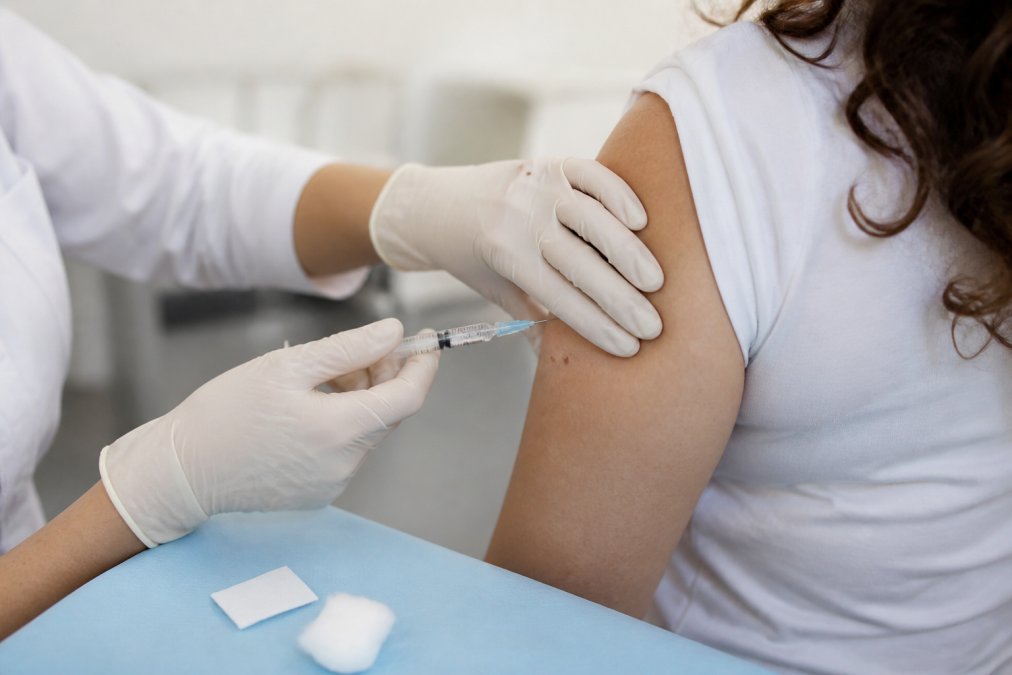
Step 1: Prepare the injection site. Locate your chosen injection site. Pinch the muscle slightly to make it more prominent and easier to target.
Step 2: Clean the injection site. Using a fresh alcohol swab, clean the skin with firm, circular motions for 30 seconds over an area about 2 inches in diameter. Let the alcohol dry completely.
Step 3: Remove the needle cap. Just before injection, remove the cap from your needle without touching the needle tip.
Step 4: Hold the syringe correctly. Grip the barrel like a pencil with your thumb and index finger on opposite sides. Your middle finger can rest underneath for stability.
Step 5: Insert the needle. For intramuscular injection, insert at a 90-degree angle. For subcutaneous injection, insert at a 45-degree angle. Push the needle through the skin in one smooth motion. Once fully inserted, pause for one second. B12 supplement effectiveness.
Step 6: Aspirate (optional but recommended). Pull the plunger back slightly to check if you've hit a blood vessel. If blood appears, withdraw, apply pressure, and try a different spot. If no blood appears, proceed.
Step 7: Inject the medication. Push the plunger slowly and steadily. A 1 mL injection should take 5-10 seconds.
Step 8: Withdraw the needle. Once medication is fully injected, withdraw the needle in one smooth motion at the same angle you inserted it.
Step 9: Apply pressure. Immediately after withdrawal, apply gentle pressure to the injection site with gauze for 10-15 seconds. Do not rub the area.
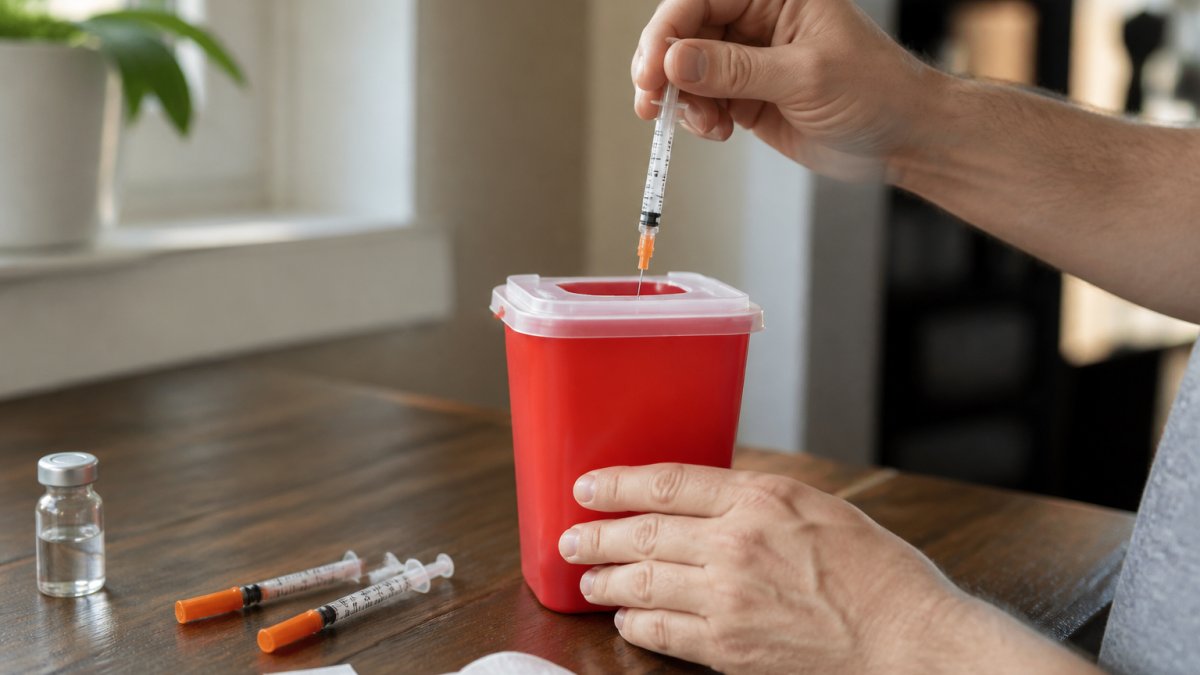
Step 10: Dispose of the needle. Place the used needle and syringe directly into a sharps container. Never recap the needle.
Understanding B12 Injection Side Effects and What's Normal
Normal, expected reactions include:
Mild soreness or bruising at the injection site typically resolves within 24-48 hours. A small red bump or slight swelling can appear immediately after injection and usually fades within hours. Warmth or tingling at the injection site during or immediately after injection is common and typically resolves within minutes. Slight dizziness or flushing can occur as your body processes the B12 and usually resolves within 15-30 minutes.
Reactions that warrant caution:
Excessive bruising (larger than 2 inches in diameter) or bruising that worsens over several days suggests you may have hit a small blood vessel or injected too forcefully. Try a different site next time, use a thinner needle gauge, or slow down your injection speed.
Persistent pain lasting more than 48 hours or pain that worsens over time suggests possible nerve irritation or tissue damage. Switch to a different site and allow the affected area to rest for at least two weeks.
Swelling, redness, or warmth that spreads beyond the immediate injection site could indicate infection. Stop injections and contact a healthcare provider if symptoms don't improve within 24 hours.
Allergic reactions to B12 are extremely rare but possible. Signs include difficulty breathing, facial swelling, hives, or severe itching. Seek emergency medical care immediately if you experience any of these symptoms.
Safe Disposal and Storage of B12 Supplies
Sharps disposal: Every needle and syringe goes into a designated sharps container, never into regular trash. Once full, seal the container and follow your local regulations for disposal. Many communities have designated sharps disposal programs.
B12 vial storage: Keep unopened vials in a cool, dark place. Most B12 formulations are stable at room temperature, but refrigeration extends shelf life. Check your vial's label for specific storage instructions. Once opened, use within the timeframe specified on the label, typically 28 days.
Temperature stability: B12 is sensitive to temperature extremes. Don't store vials in direct sunlight, near heating vents, or in very hot environments. Never store vials in a freezer.
Expiration dates: Check the expiration date on every vial before use. Expired B12 may lose potency or become contaminated.
Contaminated supplies: If a vial shows cloudiness, discoloration, or visible particles, discard it immediately.
Troubleshooting Common Injection Errors
Problem: The needle bends or breaks during insertion. Insert the needle in one smooth, confident motion. If it bends, withdraw completely and start over with a fresh syringe and needle. Never attempt to straighten and reuse a bent needle.
Problem: Blood appears in the syringe during aspiration. You've hit a small blood vessel. Withdraw the needle, apply pressure to stop bleeding, and choose a different injection site. Always aspirate before injecting.
Problem: The plunger is extremely difficult to push. Either the needle has become clogged with tissue or you're hitting bone. Stop immediately and withdraw the needle. Use a fresh needle and syringe and try a different site.
Problem: You experience sharp, shooting pain during injection. You've likely hit a nerve. Stop immediately and withdraw the needle. Apply ice for 10-15 minutes. Avoid that exact spot for at least two weeks.
Problem: Bruising appears days after injection. You may have hit a small blood vessel. The bruise will fade naturally over 1-2 weeks. To minimize bruising in future injections, use a thinner needle gauge, inject more slowly, and apply pressure immediately after withdrawal.
Problem: The medication leaks out after injection. Either the needle wasn't fully inserted or you withdrew it too quickly. Ensure the needle is fully inserted before injecting and withdraw slowly and deliberately.
Problem: You're nervous about self-injection. Practice the motion with a pen before using a real needle, focus on your breathing during injection, inject in a comfortable position, and use the thinnest needle gauge available (28G or 29G). Many people find that the anticipation is worse than the actual injection.
Self-administering B12 injections at home is safe and straightforward when you follow proper technique. The key is preparation: clean your space, gather your supplies, choose your site carefully, and rotate consistently. Most people develop comfort and confidence after their first few injections. If you're uncertain about any step or experience unexpected reactions, consult a healthcare provider. For reliable access to B12 vials, needles, and all supplies you need, Buy-Otc.com offers competitive pricing and secure ordering. Getting started with B12 supplementation at home puts you in control of your health and energy levels.
Frequently Asked Questions
Where is the best place to give yourself a B12 injection?
The most common sites are the vastus lateralis (outer thigh), ventrogluteal (hip), and deltoid (upper arm). The vastus lateralis is easiest for self-administration because you can see and reach it easily. Rotate injection sites to prevent tissue damage and hematoma formation. Never inject into the same spot twice in a row, space injections at least one inch apart and use different sites each week.
What needle size should I use for B12 injections at home?
For intramuscular B12 injections, use a 22-25 gauge needle that is 1 to 1.5 inches long. For subcutaneous injections, use a 25-27 gauge needle that is 0.5 to 0.625 inches long. The gauge (thickness) and length depend on your injection method and body composition. Always verify the correct needle size with your healthcare provider or the B12 product instructions before injecting.
What should I do if I experience pain, swelling, or redness after a B12 injection?
Mild soreness and slight redness at the injection site are normal and typically fade within a few days. However, severe pain, excessive swelling, warmth, or signs of infection (pus, increasing redness, or fever) require immediate medical attention. Hematoma (bruising) can occur if you hit a small blood vessel; apply ice for 10 minutes and monitor the area. If symptoms worsen or persist beyond 48 hours, contact your healthcare provider.
Can I safely store B12 vials at home, and how long do they last?
Store unopened B12 vials in a cool, dark place away from direct sunlight, typically at room temperature (59-86°F) unless the label specifies refrigeration. Check the expiration date on the vial before use. Once opened, most B12 vials remain stable for 28 days if stored properly, but verify the specific shelf-life on your product. Keep vials in their original packaging and away from heat, moisture, and freezing temperatures to maintain potency.
This article was written using GrandRanker