 How-to
Preparing for Your First B12 Injection Appointment
Last Updated: November 5, 2026
Quick Summary
To prepare for your first B12 injection, bring a list of all medications, supplements and any prior lab results, and tell your provider about allergies and past injection reactions. Eat a light meal, drink water, and wear loose sleeves. A short visit usually follows, with the shot given into a muscle.
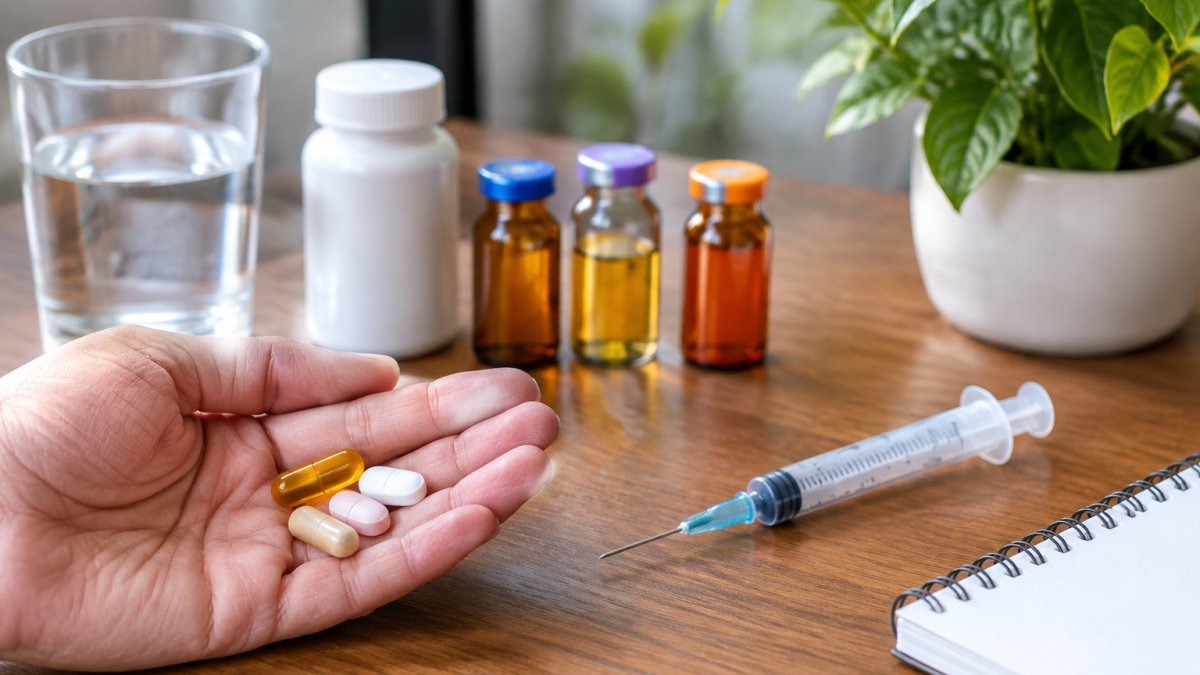
- Bring a written list of all medications and supplements, including over-the-counter products, with doses.
- Tell your provider about allergies, past injection reactions, pregnancy, and any gastric or bariatric surgery.
- Ask whether a blood test has confirmed that B12 is the right treatment for you.
- Eat a light meal, drink water beforehand, and wear short or loose sleeves for easy arm access.
- Call your provider right away for hives, trouble breathing, facial swelling, or fainting that does not pass.
Table of Contents
- What a First B12 Injection Visit Involves
- Confirming Why You Need B12 Treatment
- B12 Injection Appointment Checklist
- Questions to Ask Before a B12 Injection
- What Happens During the Injection
- What to Expect After Your First B12 Shot
- How Long a B12 Shot Takes to Kick In
- Booking Your First Appointment Through Buy-Otc.com
- Frequently Asked Questions
Preparing for your first B12 injection appointment is simpler than most people expect, but a few small steps make the visit smoother. Buy-Otc.com offers discounted vitamin B12 shots and related injectables. Many first-time patients come in with questions about what happens next. This guide walks you through each step so you can arrive ready.
What a First B12 Injection Visit Involves
A first visit usually starts with a short check-in and a conversation with your healthcare provider about your health history. The provider reviews your symptoms, your medications, and any supplements you take. The injection itself is typically given into a muscle, and the whole visit often takes only a short time.
Expect to answer questions about:
- Your current medications and supplements
- Known allergies
- Any past reactions to injections
- Why you want B12 treatment
Bring a list of everything you take. It saves time and helps your provider spot possible interactions.
Confirming Why You Need B12 Treatment
Before you get a shot, it helps to know whether B12 is actually the right treatment for you. Low B12 can cause fatigue, brain fog, numbness, and mood changes, but these symptoms also have many other causes. A blood test is the usual way to check your B12 level.
Ask your provider whether a blood test makes sense before you start. The right dose and schedule depend on your results and health history.
B12 Injection Appointment Checklist
Use this checklist the day before and the morning of your visit. It goes beyond food and water to cover the documents, disclosures, and questions that make a first appointment safer and more productive.
What to bring
- A written list of every medication you take, including over-the-counter drugs, with doses and how often you take them
- A list of all supplements, including B12 pills, multivitamins, and herbal products, some can affect lab results or interact with treatment
- Any prior lab results for B12, folate, methylmalonic acid, or homocysteine, if you have them
- Your insurance card and photo ID, if your provider requests them
- A short written summary of your symptoms and when they started
- A list of questions for your provider (see the next section)
What to disclose
Tell your provider about:
- Known allergies, especially to medicines, adhesives, or latex
- Any past reaction to an injection, including fainting or dizziness
- Pregnancy, plans to become pregnant, or breastfeeding
- Chronic conditions such as kidney disease, liver disease, or blood disorders
- Whether you have had gastric or bariatric surgery, which can affect B12 absorption
- Alcohol use and any history of anemia
Confirming the medical reason for treatment
Before your first shot, ask whether B12 is the right treatment for you and how that was determined. Low B12 can cause fatigue, brain fog, numbness, and mood changes, but those symptoms have many other causes. Compare your symptoms with recognized signs of deficiency. A blood test is the usual way to check your level, and some providers also order methylmalonic acid or homocysteine tests when results are borderline. Ask what your results showed, whether a diagnosis has been confirmed, and what treatment goal your provider has in mind.
Day-of preparation
- Eat a light meal or snack unless your provider says otherwise
- Drink water before your appointment
- Wear a short-sleeved top or loose sleeves for easy access to your upper arm
- Arrive a few minutes early to complete any paperwork
Watch out: if you take blood thinners or have a bleeding disorder, tell your provider before the injection so they can take appropriate precautions.
The checklist below lists what to bring and do before a first B12 injection visit, drawn from the article's guidance.
| Item | Detail | Note |
|---|---|---|
| Medication list | Include over-the-counter drugs, doses and frequency | Helps spot possible interactions |
| Supplement list | Includes B12 pills, multivitamins and herbal products | Some can affect lab results or treatment |
| Prior lab results | B12, folate, methylmalonic acid or homocysteine | Bring them if you have them |
| Food and water | Light meal or snack, drink water beforehand | Unless your provider says otherwise |
| Clothing | Short sleeves or loose sleeves | Easy access to your upper arm |
| Arrival time | A few minutes early | Allows time to complete paperwork |
| Blood thinners or bleeding disorder | Tell your provider before the injection | So they can take precautions |
Questions to Ask Before a B12 Injection
Asking good questions helps you understand your treatment. Consider asking:
- Why do I need B12, and how was my level checked?
- How often will I need injections, and for how long?
- What dose will I receive?
- Are there side effects I should watch for?
- When should I call you or seek care right away?
- Will I need follow-up blood tests?
If you buy injectables through Buy-Otc.com, check the product details and your provider's instructions before you use them yourself.
What Happens During the Injection
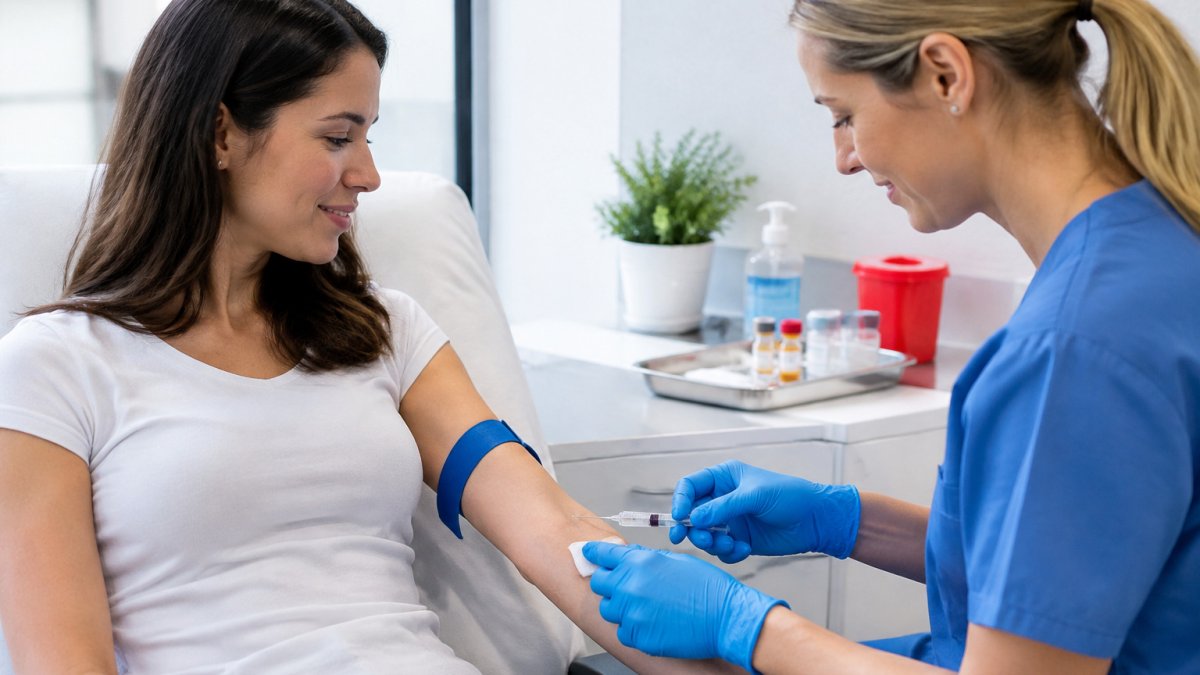
Once you are in the exam room, your provider cleans the injection site and gives the shot, usually in a matter of seconds. You may feel a brief pinch or ache. Staying relaxed and breathing slowly helps.

Afterward, you may be asked to sit for a few minutes to watch for dizziness or lightheadedness. This is a normal precaution and not a cause for alarm.
What to Expect After Your First B12 Shot
Most people go back to normal activities right away. Read practical aftercare steps for what to do next. Mild soreness at the injection site is common and usually fades within a day or two. Keep the area clean and avoid rubbing it.
Common, mild reactions
- Soreness, tenderness, or a small bruise where the needle went in
- Brief lightheadedness, especially if you are nervous about needles
- A mild headache or temporary change in energy
These usually resolve on their own. If you feel dizzy after the shot, sit for a few minutes and drink water before leaving.
When to seek prompt medical attention
Call your provider or seek care right away if you notice:
- Swelling, redness that spreads, or warmth at the injection site
- Hives, rash, or itching away from the injection site
- Trouble breathing, wheezing, or throat tightness
- Facial swelling or a rapid heartbeat
- Fainting or near-fainting that does not pass quickly
Watch out: an allergic reaction can begin within minutes of an injection (the CDC). If you have a history of reactions to injections or medications, tell the staff before your shot and ask whether you should be observed longer afterward.
Dose, schedule, and follow-up
Ask your provider how your dose and frequency were determined and when they will assess whether treatment is working. Keep a simple symptom diary so you can share changes at follow-up. Ask whether repeat blood tests are planned and when you should schedule the next injection.
How Long a B12 Shot Takes to Kick In
Response times vary from person to person. Some people notice more energy within days, while others take several weeks to feel a difference. Keep a simple symptom diary so you can track changes and share them with your provider at follow-up visits.
Booking Your First Appointment Through Buy-Otc.com
Buy-Otc.com offers discounted prices on B12 shots, B1 and B6 injectables, vitamin C shots, and needles. Pricing depends on quantity, current promotions, and delivery, so check the website for current prices or request a quote. Shopping is protected by SSL security.
Remember that buying supplies does not replace a medical visit. Confirm your plan with a healthcare provider before your first injection, and bring the checklist above to your appointment.
Frequently Asked Questions
How long does a B12 injection appointment take?
Most first B12 injection appointments are short, often 15 to 30 minutes including check-in and a brief review of your history. The injection itself takes only a few seconds. If you are receiving the shot at a clinic, expect some waiting time, and plan for a little extra time if your provider needs to review your medications, allergies or any recent blood test results before giving the shot. Ask the clinic at booking how long to set aside so you arrive with enough time.
How painful is a B12 injection?
Most people describe a B12 injection as a brief pinch or pressure at the injection site, usually the upper arm or the outer thigh, depending on the route your provider uses. Discomfort typically fades within a few minutes. Some people feel a mild soreness at the site for a day or so. Tell your provider if you are anxious about needles, since they can often position you comfortably, explain each step and use a slower technique to ease nerves.
What should I not do after a B12 shot?
After a B12 shot you can usually resume normal activities right away, so there is no downtime. Avoid rubbing or massaging the injection site for several minutes, and do not exercise the area vigorously if it feels tender. Do not skip follow-up care your provider has scheduled. If you notice swelling, redness spreading from the site, hives, trouble breathing or any unusual reaction, contact your provider promptly or seek emergency care if symptoms are severe.
What side effects can happen after a B12 injection?
Side effects from B12 injections are generally mild. Soreness, redness or a small bump at the injection site are the most common. Some people report headache, dizziness, itching or a temporary rise in heart rate. Serious allergic reactions are rare but require immediate medical attention. Report any new or worsening symptoms to your healthcare provider, and mention all medications and supplements you take so they can review possible interactions.