 How-to
7 Ways to Check Vitamin Expiration Dates Before You Take Them
Last Updated: November 23, 2026
Quick Summary
To check vitamin expiration dates, look for the printed date on the bottle's label or base, then confirm whether it's an expiration date or a best-by date before you take anything. An expiration date is the last date the manufacturer guarantees full potency, while a best-by date marks peak quality rather than a hard safety cutoff.
- Manufacturers usually print the date near the supplement facts panel or embossed on the bottom.
- A lot number is not the date, so keep looking if that's all you see.
- Coded dates commonly read MM/YYYY or YYYY/MM, sometimes with the day included.
- Tablets and capsules tend to hold potency longer than gummies.
- Gummies lose strength faster and absorb moisture, so they degrade first.
Table of Contents
- How Do I Check Vitamin Expiration Dates?
- How to Read Coded Expiration Dates on Supplement Bottles
- Centrum Expiration Date Format and What It Tells You
- How Long Can You Use Vitamins After the Expiration Date?
- Vitamins Expired 1 Year Ago: Still Safe or Time to Toss?
- Signs Your Vitamins Have Gone Bad: A Visual Checklist
- Storing Supplements to Protect Potency and Shelf Life
- Disposing of Expired Vitamins the Right Way
- Frequently Asked Questions
How Do I Check Vitamin Expiration Dates?
To check vitamin expiration dates, look for the printed date on the bottle's label or base, then confirm whether it's an expiration date or a best-by date before you take anything. A quick label check takes seconds and prevents a lot of guesswork. Below, we'll show you exactly how to find the date, read coded formats, and judge whether an old bottle is still worth keeping.
Finding the Date on the Label
Start with the label, then check the base of the bottle. Manufacturers usually print the date near the supplement facts panel or embossed on the bottom.
Look for these markers:
- EXP or Exp. followed by a date
- BB or Best By followed by a date
- A month and year printed alone, like "08/2027"
- A stamped code on the bottle base or crimp
If you only see a lot number, that's not the date. Keep looking. For a full breakdown of label terms, see our guide on how to read supplement labels for purity.
Expiration Date vs. Best By Date
An expiration date is the last date the manufacturer guarantees full potency. A best-by date is the last date the product is at peak quality, not a hard safety cutoff.
That difference matters. A bottle past its best-by date may still be fine. A bottle past its expiration date has likely lost some potency. Neither date means the vitamins are dangerous, but both tell you something about nutrient concentration.
How to Read Coded Expiration Dates on Supplement Bottles
Coded dates look confusing, but the format is usually one of a few patterns. Most codes read month-year or year-month, sometimes with the day tucked in.
Here's how to decode the common ones:
- MM/YYYY = month and year, like 06/2027
- YYYY/MM = year first, like 2027/06
- Lot + date = a batch code followed by the real date
- Julian code = a number like 245, meaning the 245th day of the year
When a bottle shows only a lot number, contact the manufacturer with that code. They can confirm the manufacture date. Watch out: don't confuse a lot number with an expiration date, or you'll toss good vitamins early.
Centrum Expiration Date Format and What It Tells You
Some multivitamin brands print dates in a month-year format on the bottle base or label edge. Check the label directly to confirm how your bottle's date is printed.
The date reflects the end of guaranteed potency, not the day the tablets turn unsafe. Store the bottle as directed and the product should hold up through that window. Once you pass it, the vitamins may lose strength over time.
If a Centrum bottle has no visible date, check the base and the back panel before assuming it's missing. The stamp can wear off, so note the date when you first open a bottle.
How Long Can You Use Vitamins After the Expiration Date?
You can often use vitamins for a short window after the expiration date, but potency declines and the guarantee no longer applies. There's no single safe cutoff, so judgment matters, and the form of the supplement is the biggest variable.
A few practical rules:
- Tablets and capsules tend to hold potency longer than gummies, often staying close to label strength for months past the date when stored cool and dry
- Gummies lose strength faster and absorb moisture, so they are the first to degrade
- Liquids and softgels are more sensitive to heat and light and can turn rancid before the date on the bottle
Storage history and product form both affect how a supplement holds up over time, so consider them alongside the printed date.
If you're deciding whether an old bottle is still trustworthy, it helps to know how to vet supplement purity and manufacturer quality and how to verify a certificate of analysis. Those steps tell you more about a product than the date alone.
How long a vitamin lasts past its date depends mostly on its form, so here is how each type holds up.
| Form | How it holds up | Note |
|---|---|---|
| Tablets and capsules | Hold potency longer than gummies | Often close to label strength months past date |
| Gummies | Lose strength faster and absorb moisture | First to degrade |
| Liquids and softgels | More sensitive to heat and light | Can turn rancid before the date |
Vitamins Expired 1 Year Ago: Still Safe or Time to Toss?
Vitamins past their expiration date may no longer deliver their guaranteed potency.
Ask yourself three questions:
- Was the bottle stored cool and dry?
- Does it look and smell normal?
- Is it a gummy or a liquid, which fade faster?
When in doubt about an expired bottle, replacing it is the safer choice.
Signs Your Vitamins Have Gone Bad: A Visual Checklist
Use this form-by-form checklist before you take anything from an old bottle.
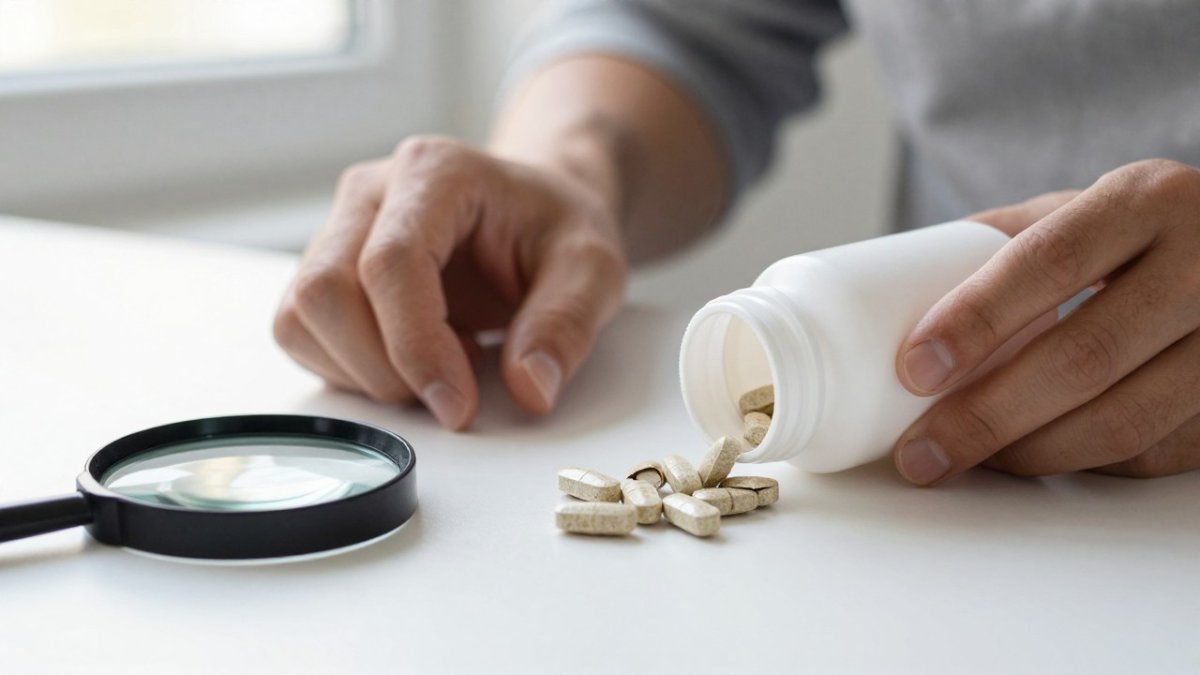
Tablets
- Surface is darker, spotted, mottled, or uneven in color compared with a fresh tablet
- Chalky powder or crumbs sit at the bottom of the bottle
- Edges are chipped, crumbly, or soft enough to dent with a fingernail
- A vinegar-like or musty odor comes off the open bottle
Capsules
- Capsules are stuck together or fused into a clump
- The shell is brittle, cracked, or leaking powder
- Powder has migrated into the capsule seam or coated the inside of the bottle
- The capsule feels soft or tacky instead of firm and dry
Gummies
- Gummies are hard, tacky, or melted into a single mass
- Surface is sticky or has a white bloom (a sugar or moisture film)
- Color has faded or turned uneven from gummy to gummy
- The bottle shows condensation or moisture beads inside the lid
Softgels and liquids
- Softgels are cloudy, leaking, or stuck together
- A liquid has separated, turned cloudy, or shows sediment that wasn't there when new
- The smell is rancid, fishy, or sharper than when the bottle was opened
Powders
- Powder is clumped, caked, or hard enough to require a spoon to break up
- Color has shifted or darkened
- A sour or stale smell replaces the original flavor
Visual identification of degradation is something most guides skip, but it's often your best clue, especially for gummies and softgels, which show moisture damage long before a tablet would.
Watch out: a date stamp that has worn off the bottle base is not itself a sign of spoilage, but it does mean you can't confirm the product's age, so treat an undated bottle with visible degradation as expired.
Storing Supplements to Protect Potency and Shelf Life
Heat, light, and moisture are the three things that speed up degradation. Keep bottles in a cool, dry cabinet, away from the stove and the bathroom sink.
Simple storage habits:
- Keep the lid tight between uses
- Store away from direct sunlight
- Skip the bathroom medicine cabinet, which traps humidity
- Keep gummies and liquids extra cool
For temperature-sensitive products, a portable cooling case for medication keeps things stable on the go. Proper storage conditions protect chemical stability and slow nutrient loss.
Disposing of Expired Vitamins the Right Way
Don't flush old vitamins or toss them loose in the trash where pets and kids can reach them.
A safe approach:
- Check for a local take-back program or pharmacy drop-off
- If none exists, mix pills with coffee grounds or kitty litter in a sealed bag
- Remove personal info from the label before recycling the bottle
Once you've cleared out the old bottle, it's a good time to restock. Our guide on best practices for buying vitamins online helps you replace them safely.
Old bottles pile up fast, and guessing whether they're still good wastes money and peace of mind. At Buy-Otc.com, we make restocking simple with discounted prices on B12 shots, B1 injections, B6 injectables, and vitamin C shots, plus needles. Every order is backed by Geotrust SSL protection and 5-star customer service, so your information stays secure. Get started with Buy-Otc.com and shop right now.
Frequently Asked Questions
How do I know if my vitamins are expired?
Look for a printed expiration or best-by date on the bottle label, usually near the supplement facts panel or on the bottom. If the date has passed, check the pills for discoloration, cracks, a sour smell, or sticking together. Any of those signs means the vitamin has degraded and should be discarded. If there is no date at all, note when you opened the bottle and consider how it has been stored.
Can I take vitamins that expired 2 years ago?
Two years past the expiration date is well beyond the point where most supplements keep their labeled potency. Vitamins that are well past their expiration date may no longer deliver what the label promises. Check with your doctor before taking them, especially if you are managing a diagnosed deficiency.
What should I do if my vitamin bottle has no expiration date?
Some bottles use a lot number or coded date instead of a printed calendar date, so check the crimp, the bottom of the bottle, and the label edges for a short code. If you truly cannot find any date, note when you opened the bottle and consider how it has been stored. Discard it if the pills change color, smell odd, or stick together.
Do vitamins lose potency after their expiration date?
Yes. Potency can decline over time, and storage conditions such as heat and humidity can affect how a supplement holds up. That is why the expiration date is a guide, not a guarantee, and why visual checks still matter.